North Carolina Golf Cart Laws (2026)
North Carolina golf cart laws: street-legal with 25 mph max speed. See age limits, registration, insurance, and road-use rules to verify before driving.
Reviewed Jun 2nd, 2026; local rules may control. General information only; verify state and local requirements before driving.
Key Facts
In North Carolina, a golf cart is not automatically legal statewide. Public-road use usually depends on local authorization, and access is typically limited to lower-speed roads.
For North Carolina, this page is the right place to check age and driver-license questions. Current age rule: 16+ for local golf carts; licensed driver for LSVs. Public-road use can also depend on local authorization and whether the cart is treated as an LSV or NEV.
Low-Speed Vehicle (electric or gasoline) or local golf cart
City Golf Cart Law Guides in North Carolina
State law sets the baseline, but local ordinances often decide where golf carts can actually drive. Check these city-specific guides before relying on the statewide rules.
Bald Head Island Golf Cart Laws
Golf cart community
Permitted · 18 mph max
Pinehurst Golf Cart Laws
Golf cart community
Permitted · 20 mph max · designated routes
Carolina Beach Golf Cart Laws
Tourist destination
Restricted · 20 mph max · designated routes
Oak Island Golf Cart Laws
Tourist destination
LSV Only · 25 mph max · designated routes
North Carolina Golf Cart Law Map
Embed This State Map
Copy the snippet below to display the interactive North Carolina golf cart laws map on your site. It resizes to fill its container automatically.
Overview
North Carolina distinguishes between Low-Speed Vehicles (LSVs), which are street-legal under state law, and ordinary golf carts, which are only allowed on public roads if a local ordinance authorizes them. Current North Carolina law defines an LSV as an electric or gasoline vehicle with a top speed over 20 mph and not over 25 mph that meets the required federal safety standards. LSVs can be titled, registered, insured, and driven on streets with speed limits of 35 mph or lower. By contrast, standard golf carts are not generally allowed on public streets unless a city or county passes an ordinance permitting their use on specific local roads. State law says no person under 16 may operate a golf cart on public streets, roads, or highways under these local ordinances; license, insurance, permit, and equipment details for ordinary carts are usually set locally.
County & Local Rules
Local Ordinances: NC General Statutes § 160A-300.6 empower municipalities to allow golf carts on city streets by ordinance, under certain conditions. Many NC towns (especially beach communities and small towns) have enacted local golf cart ordinances requiring registration decals, safety equipment (lights, reflectors), and limiting cart operation to specific areas. For example, some towns allow golf carts on 25 mph roads during daylight within a one-mile radius of a driver’s residence. Counties can also opt in via ordinance for unincorporated areas. Without a local ordinance, driving a golf cart on public roads is illegal unless it’s a registered LSV.
Official Sources
We reviewed these government sources to verify the North Carolina rules on this page as of Jun 2nd, 2026. Open a source to confirm the law that applies to your vehicle and route.
Street-Legal Equipment
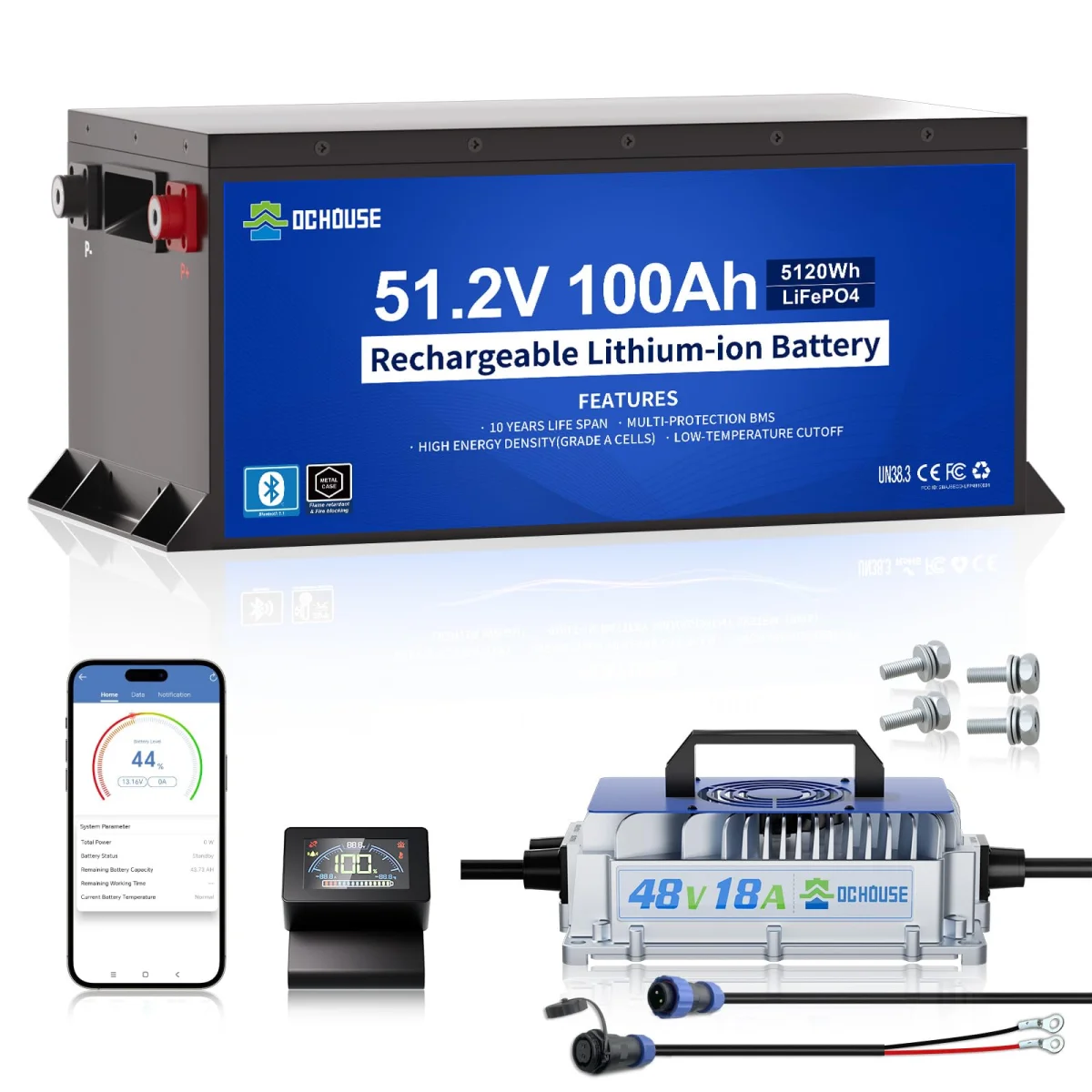
Common equipment needed to make your golf cart street-legal in North Carolina. Requirements vary by locality - check your local regulations.
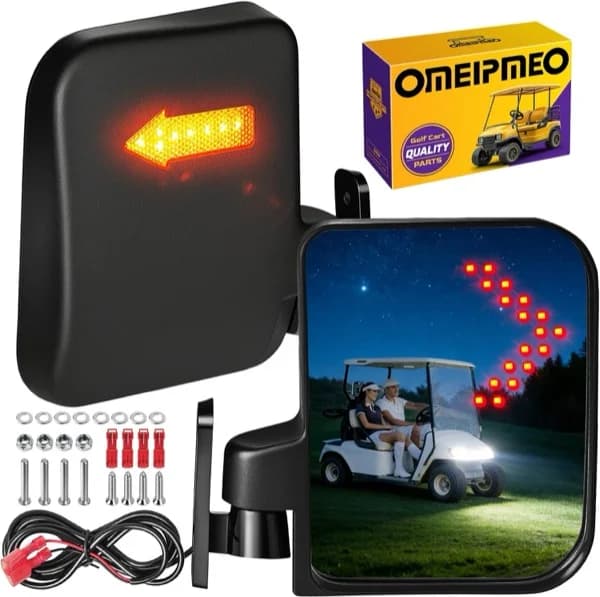
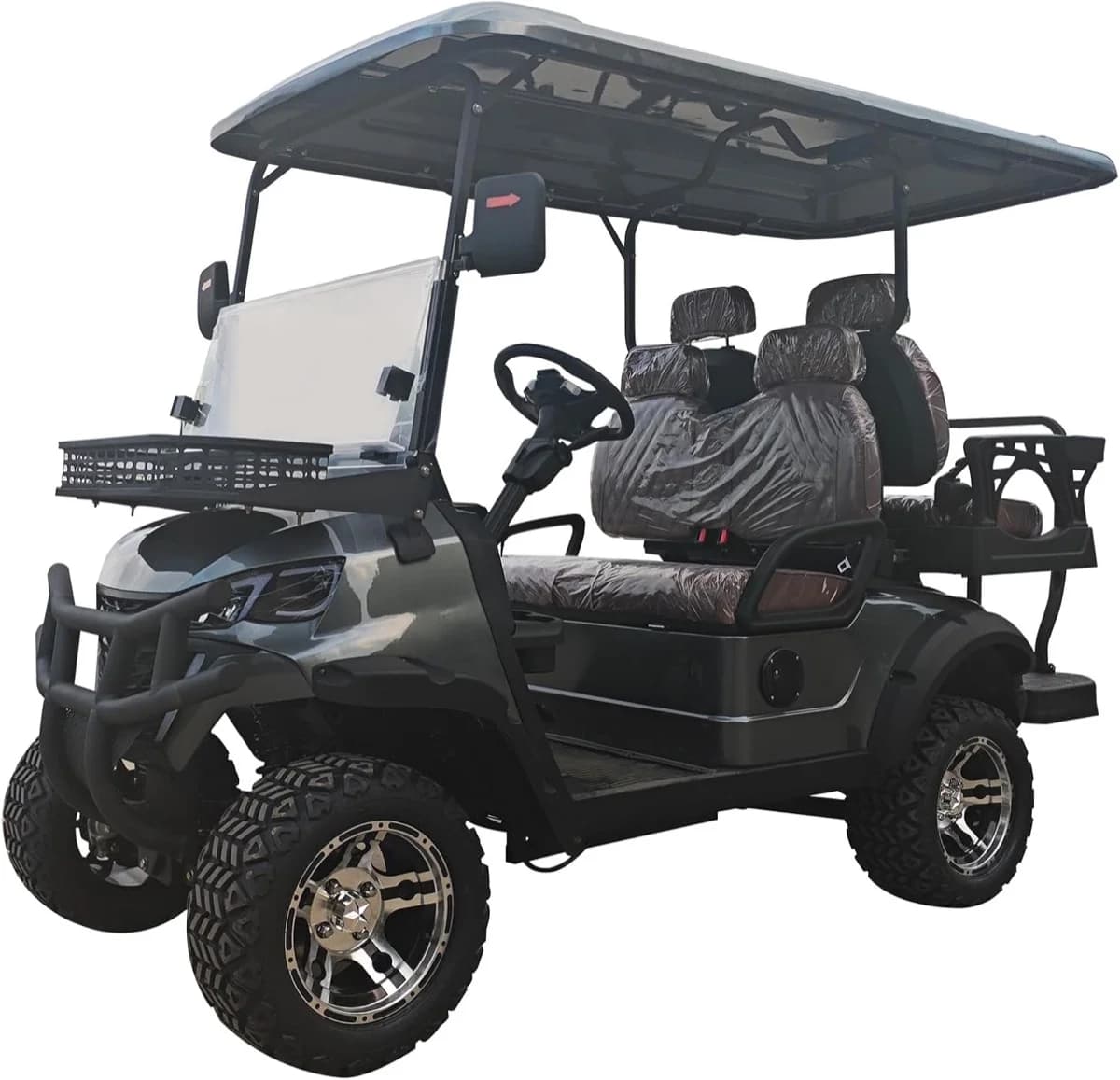
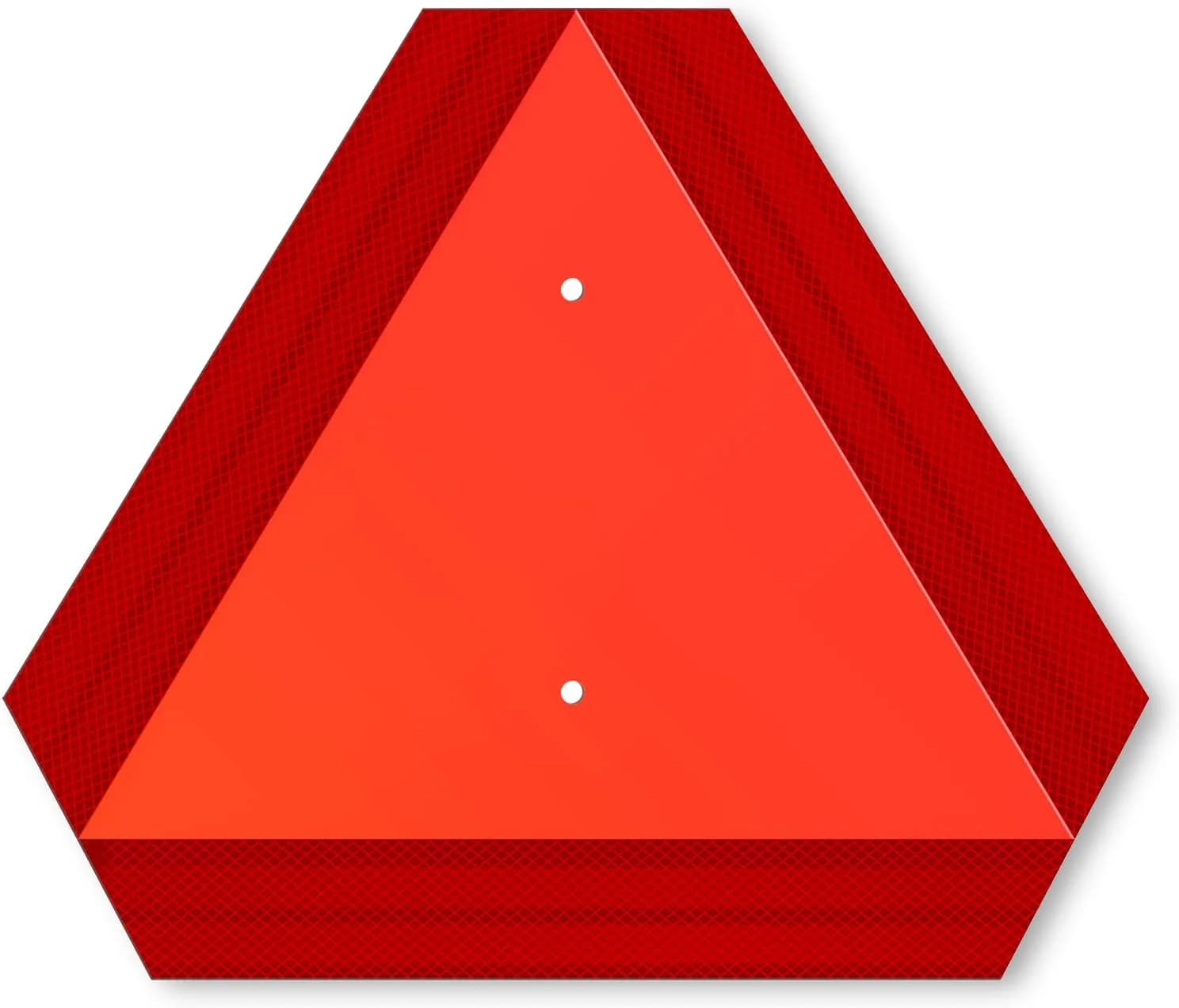
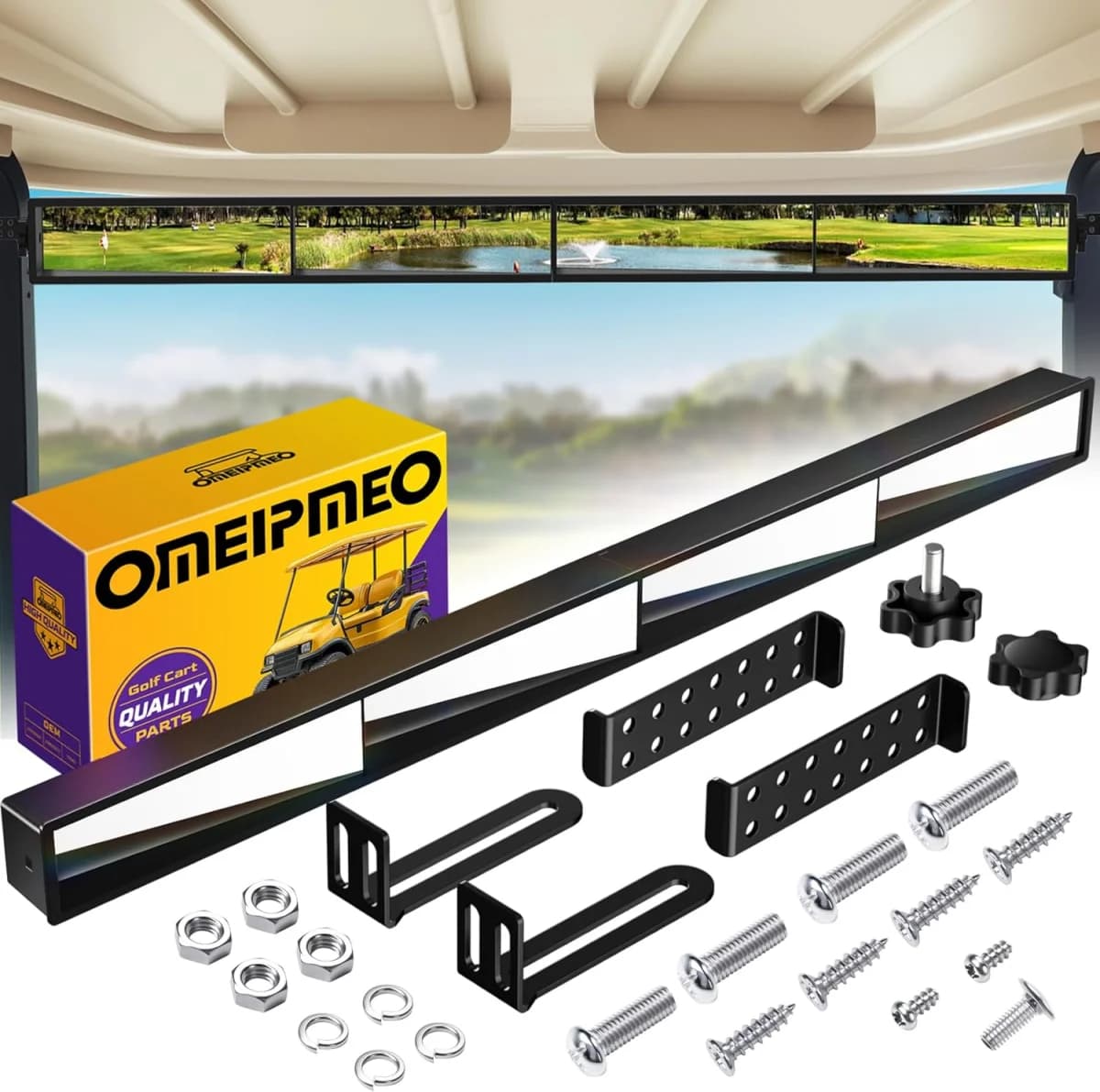
As an Amazon Associate, we earn from qualifying purchases. This helps support our free resources.
Frequently Asked Questions
Common questions about golf cart laws and regulations in North Carolina.
What makes a golf cart street legal?
To make a golf cart street legal, you typically need to add these safety features: headlights, tail lights, turn signals, brake lights, mirrors, a windshield, seat belts, and reflectors. The cart must also have a VIN number and be capable of at least 20 mph (but not more than 25 mph) to qualify as a Low-Speed Vehicle (LSV). Once equipped, you register it with the DMV, get insurance, and receive license plates. In North Carolina specifically, LSVs are street-legal statewide on roads with speed limits of 35 mph or less, while standard golf carts require a local ordinance to be driven on public roads.
Are golf carts street legal in North Carolina?
Not by default. A regular golf cart is not street-legal on NC public roads unless a local government has passed an ordinance allowing it on certain streets. State law allows cities/counties to authorize golf carts on roads with ≤35 mph limits under specific rules, but absent that, you can’t drive a golf cart on public streets. The exception is if the cart is registered as an LSV – then it’s treated like a vehicle and can go on roads up to 35 mph statewide.
Do you need a North Carolina driver's license to drive a golf cart?
For an LSV, yes, the driver must meet normal motor-vehicle licensing rules. For an ordinary golf cart allowed by a city or county ordinance, state law sets a minimum age of 16 but does not itself state the full driver-license rule in the municipal golf-cart section. Many local ordinances do require a valid driver’s license, so check the local code before operating.
Do you need insurance for a street legal golf cart in North Carolina?
If it’s registered as an LSV, yes, it must be insured like other registered vehicles. For locally permitted ordinary golf carts, insurance is controlled by the local ordinance or permit process. Many towns require liability insurance, but that is a local-rule item unless the vehicle is registered as an LSV.
Are seat belts required in golf carts in North Carolina?
For LSVs, absolutely yes (federal law requires seat belts in LSVs). For regular golf carts under local ordinances, state law doesn’t explicitly mandate retrofitting seat belts, but many local rules require basic safety features like lights and reflectors; a few towns also require seat belts if operating after dark (where allowed). Generally, any cart classified as an LSV will have seat belts as part of the street-legal requirements.
How fast can a street legal golf cart go in North Carolina?
North Carolina’s LSV definition is capped at 25 mph top speed (and at least 20 mph). They can only be driven on streets with speed limits of 35 mph or less. Regular golf carts typically max out around 15–20 mph and are limited to 35 mph roads when allowed locally. So in practice ~20 mph is the max for a golf cart, and 25 mph for an LSV.
How old do you have to be to drive a golf cart in North Carolina?
No one under 16 may operate a golf cart on North Carolina public streets, roads, or highways under the municipal/county golf-cart ordinance statutes. Local ordinances may add a driver’s-license requirement or set stricter operator rules. For an LSV, normal driver-license requirements apply.
How to register a golf cart in North Carolina?
You generally don’t register a regular golf cart through the DMV. Instead, if your city allows golf carts, they often have a local registration or permit process (e.g., you might get a sticker from the town after paying a fee and proving your cart has required equipment). Only if the vehicle qualifies as an LSV would you go through NC DMV for registration (you’d need the Manufacturer’s Certificate of Origin stating it’s an LSV, then get a title, plate, etc.). So: regular golf cart – check local government for permit; LSV – DMV registration as a motor vehicle.
What are the requirements for a street legal golf cart in North Carolina?
For an LSV, it must be electric or gasoline, four-wheeled, in the 20-25 mph LSV speed range, federally compliant, titled, registered, insured, and properly equipped. For a local-ordinance golf cart, requirements vary by town or county but commonly include designated roads, a local permit/decal, basic lights or reflectors, and operator rules. State law sets the under-16 prohibition and the 35 mph road-speed ceiling for local golf-cart ordinances; local rules fill in the rest.
Related Resources
Regulations for all 50 states on our interactive map.
Coverage requirements and average costs in North Carolina.
When a license, permit, or ID is required for golf cart use.
The fastest 50-state view of plates, permits, and NEV paperwork.
Bills of sale, titles, VIN paperwork, and ownership rules.
Mirrors, signals, lights, and everything you need.
Factory road-ready picks ranked by price, paperwork, and fit.
Top 10 models ranked by experts.
Top-rated dealers and services near you.