Street-Legal Golf Cart Checker
Use this free checker to see whether your golf cart setup is likely legal on roads in your state, what rules control the answer, and what paperwork, insurance, and equipment you should verify next.
Need the general overview first? Start with our street legal golf cart guide. Need the deeper reference version instead? Use our golf cart laws hub for all 50 states, then compare the low speed vehicle guide, title, insurance, and LSV guides linked below.
Check Whether Your Setup Works
Start with your state, then narrow the answer with vehicle type, road type, and paperwork. This tool is built to answer the real question owners have: what can I legally drive, what do I need, and what should I do next?
How to Tell if a Golf Cart Is Street Legal
The phrase street-legal golf cart sounds simple, but the real answer is usually a combination of state law, vehicle class, road speed limits, and local ordinance. That is why two carts with the same lights and mirrors can end up on totally different paperwork paths.
In some states, a standard golf cart can use limited neighborhood roads if the city or county authorizes it. In others, the practical road-legal path is an LSV or NEVwith a real VIN, title or MCO, registration, plate, and insurance. This checker is built to separate those paths quickly, then point you to the right follow-up page before you spend money or drive on public roads.
If you already know your state but need the deeper legal read, use the full golf cart laws hub. If your real question is about equipment, go next to our street-legal conversion guide.
Golf Cart vs LSV / NEV: Why the Answer Changes
| Setup | Typical speed | Usual paperwork path | Typical road-use answer | Best fit |
|---|---|---|---|---|
| Standard golf cart | Usually 12 to 20 mph | Often bill of sale, serial number, and sometimes a local permit | Local-route or designated-road question, not broad statewide road use | Golf courses, private property, short community trips |
| Factory LSV / NEV / PTV | Usually 20 to 25 mph | VIN, MCO or title, registration, plate, and insurance | Cleaner public-road path on 35 mph-and-under roads | Neighborhood driving, beach towns, retirement communities |
| Converted cart | Depends on the build | The hardest path: equipment plus proof that DMV paperwork will clear | Highly state-specific and often blocked by title or VIN problems | Owners who already know their local rules and paperwork path |
If you are still not sure which bucket you are in, read our low speed vehicle guide and LSV vs golf cart guide before you assume a light kit alone makes a normal cart road-legal.
Must-Have Accessories for Your New Golf Cart
Top-rated accessories that golf cart owners buy first. Prices checked March 2026.

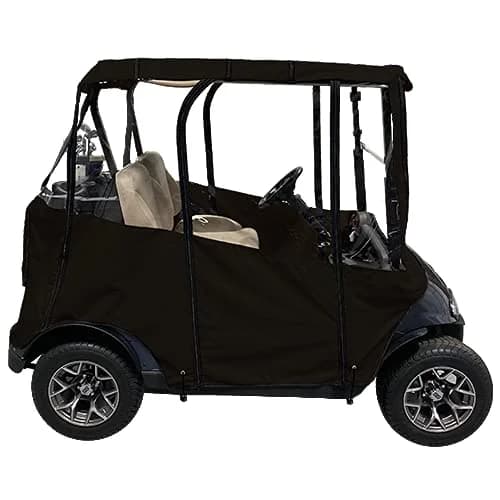
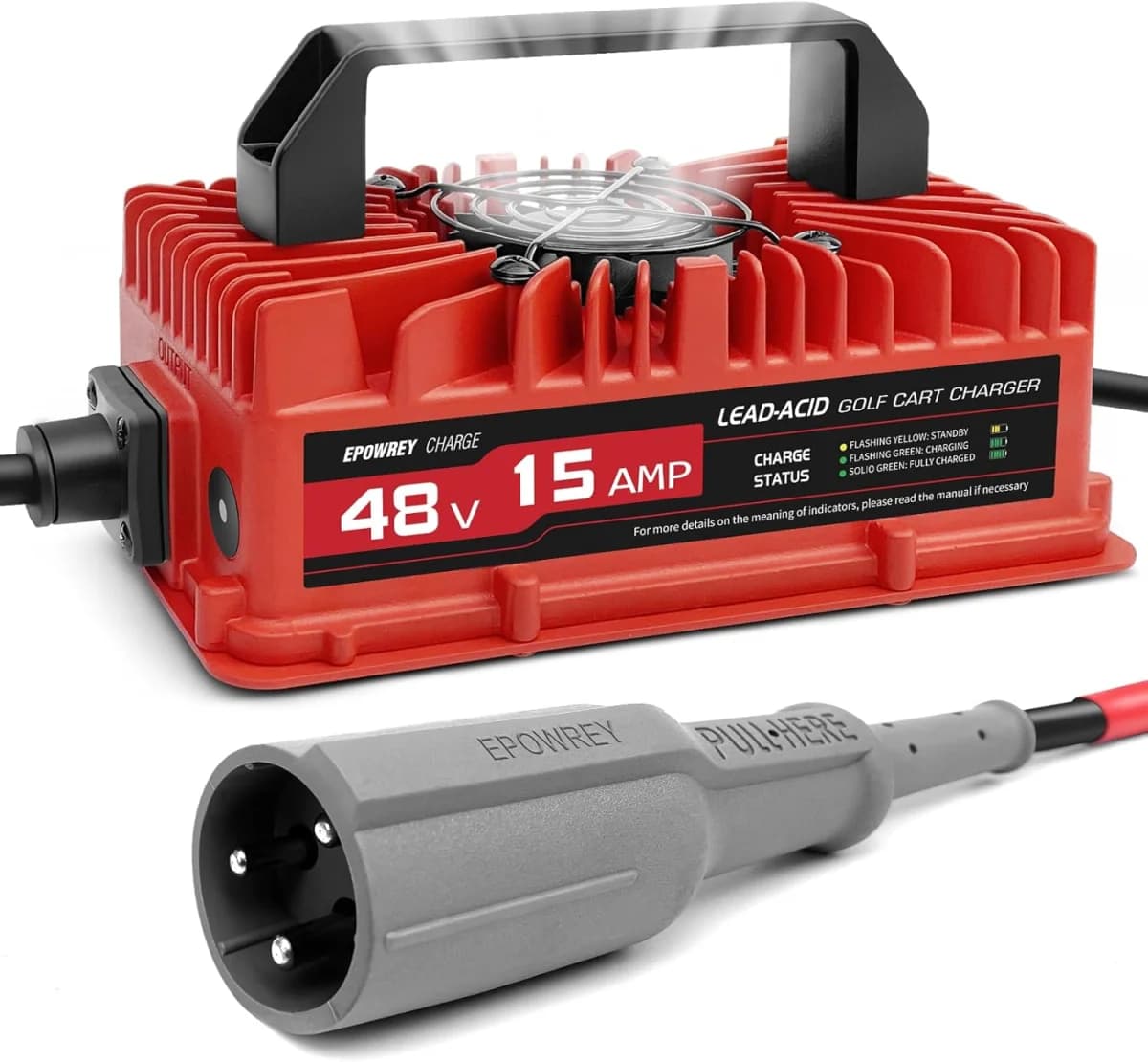
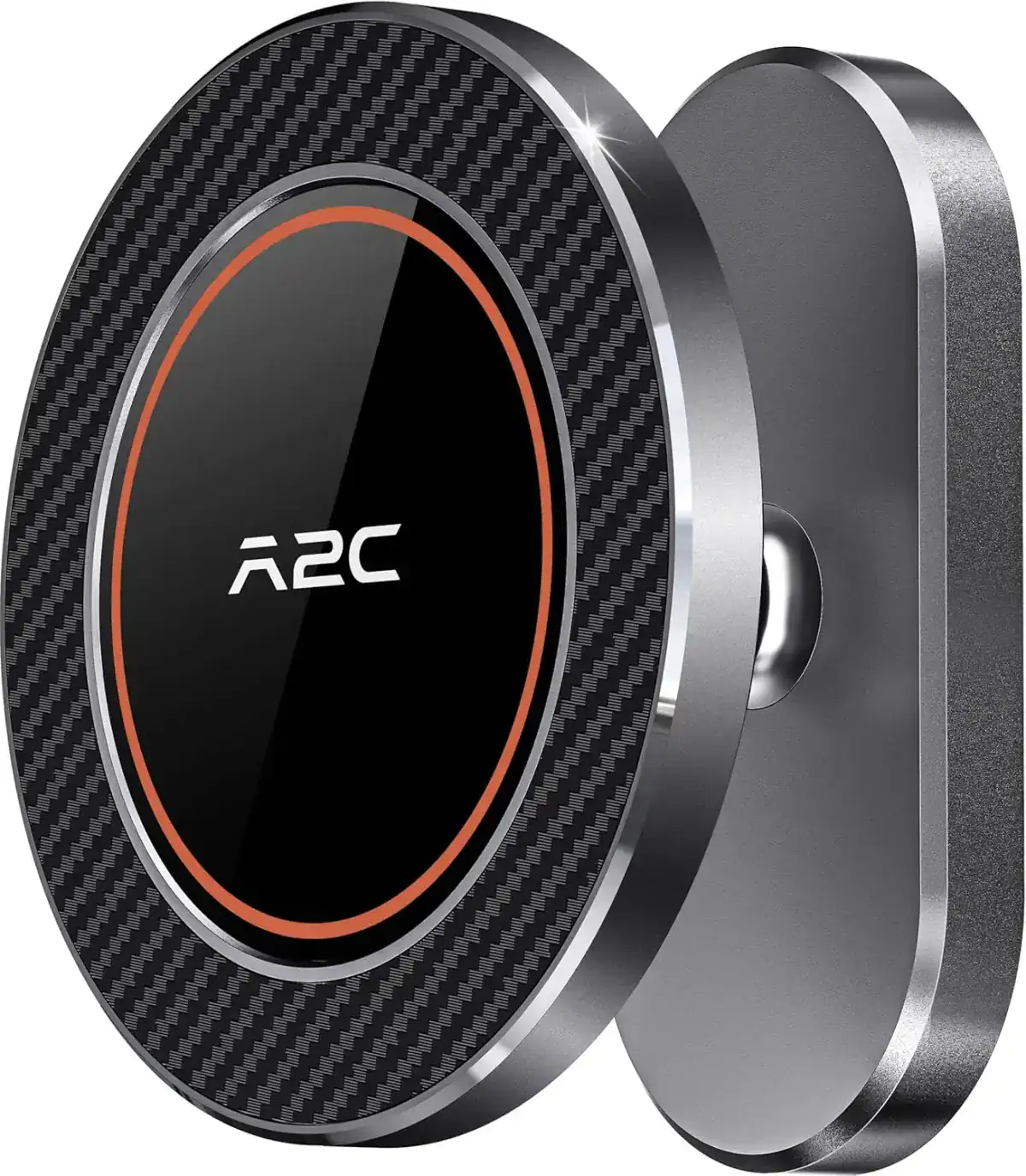
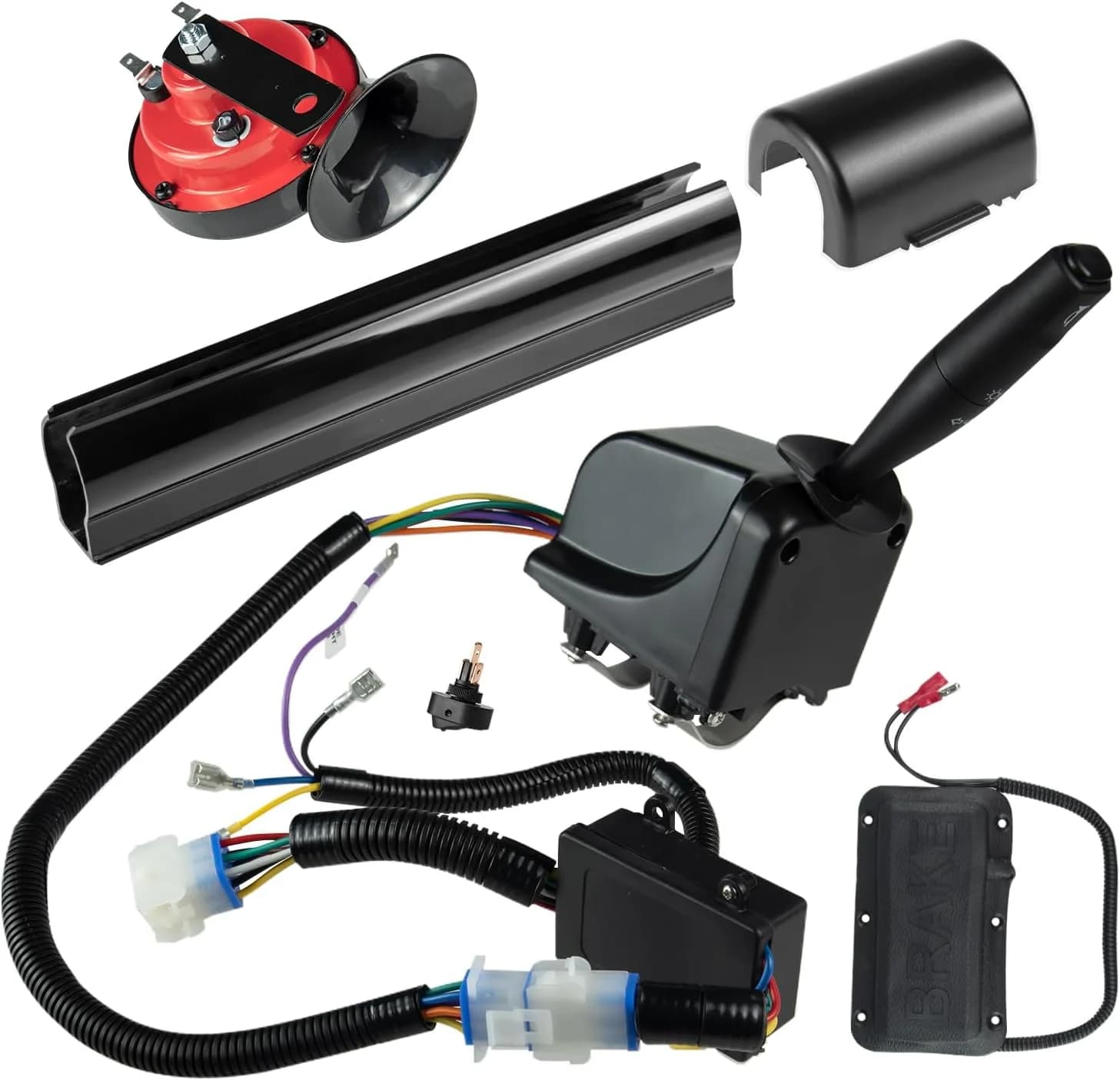
As an Amazon Associate, we earn from qualifying purchases. This helps support our free resources.
Registration, Title, Plate, and Insurance Rules
For SEO and for real owners, this is the part that matters most. Many people search for golf cart registration by state or ask whether they need a title, plate, or insurance, but those questions only make sense after you know whether the state is treating the vehicle as a standard golf cart, a narrower local-permit vehicle, or a full road-going LSV / NEV.
The rough rule is simple. Standard carts often live in a bill-of-sale and local-permit world. LSVs move into a VIN-or-MCO, title, registration, plate, and insurance world. That is why the checker asks about your paperwork before it tells you conversion is worth it. If you are buying or selling a standard cart, start with a detailed golf cart bill of sale form.
If the result points you toward the DMV path, the next pages to open are our registration-by-state guide, titles and ownership guide, and insurance-by-state hub.
License and Age Requirements by State
Search demand here is bigger than it first looks. People search for do you need a license to drive a golf cart and what is the legal age to drive a golf cart, but the right answer still depends on the same split this tool is built around: private property vs public roads, and standard cart vs LSV.
On private property, the legal answer is often flexible and the practical answer comes from course rules, HOA rules, resort rules, or the owner's insurance policy. On public roads, the answer shifts closer to normal driver-license logic, especially once the cart is treated as an LSV or NEV.
If you want the deeper explanation, go next to our golf cart license guide and legal age guide.
When Local Ordinances Override State Law
This is the part that generic competitor pages usually miss. State law sets the baseline, but many real-world golf-cart questions are actually answered by a city, county, planned community, or route map. A state can be broadly permissive while a town still limits you to designated crossings, decals, or daylight operation.
That is why the checker supports local overrides for places like The Villages, Peachtree City, and Scottsdale. Those communities are too important to flatten into one statewide answer. If your city is not listed yet, treat the statewide result as the starting point, not the final word.
For the state-by-state source material behind those answers, keep the golf cart laws hub open alongside the checker.
Best States to Start With
These are some of the highest-intent states for golf-cart road-use, registration, permit, and local-route questions.
Yes (20 mph carts in some areas; LSVs up to 25 mph on ≤35 mph roads)
Yes (registered NEV/LSV on ≤35 mph roads; standard golf carts only in designated areas)
Follow-up Guides
Use the full 50-state hub when you need the deeper legal read.
Learn when ownership paperwork is the real blocker.
Compare coverage triggers, minimums, and costs.
Use this after the checker tells you conversion is worth considering.
Frequently Asked Questions
These are the questions that most often create false confidence in street-legal golf-cart projects.
Can a checker tell me for sure if my golf cart is street legal?
It can give you a practical compliance answer, but not every state is a simple yes-or-no. In many states, city or county rules decide whether a standard golf cart can use neighborhood roads.
Why does the checker ask whether my cart is a standard golf cart or an LSV?
Because the legal path changes completely. A standard golf cart often depends on local permissions, while a true LSV or NEV usually follows DMV registration, plate, insurance, and VIN rules.
Do I need a title, VIN, or MCO to make a cart street legal?
Very often, yes, if you are trying to use the LSV route. That paperwork hurdle is why many owners find buying a factory road-ready cart easier than converting an older standard cart.
Do I need insurance for a street-legal golf cart?
Usually yes once the vehicle is registered for public-road use. Private-property or golf-course use is a different question and often does not trigger a legal insurance requirement.
Can I drive a golf cart on roads posted above 35 mph?
Usually no. Even where LSVs are allowed, the workable ceiling is commonly 35 mph-and-under roads, with crossings only at designated points.
Is this page better than reading a state law article?
They do different jobs. The checker gives you the shortest path to an answer. The state law page is the deeper source you should still read before driving on public roads.