
How Fast Can a Golf Cart Go? Speed Guide for 2026

Discover how fast golf carts can really go, from standard speeds to modified performance carts. Learn about legal limits and safe operation in 2026.

Michael
Michael
Jan 12th, 20266 min read
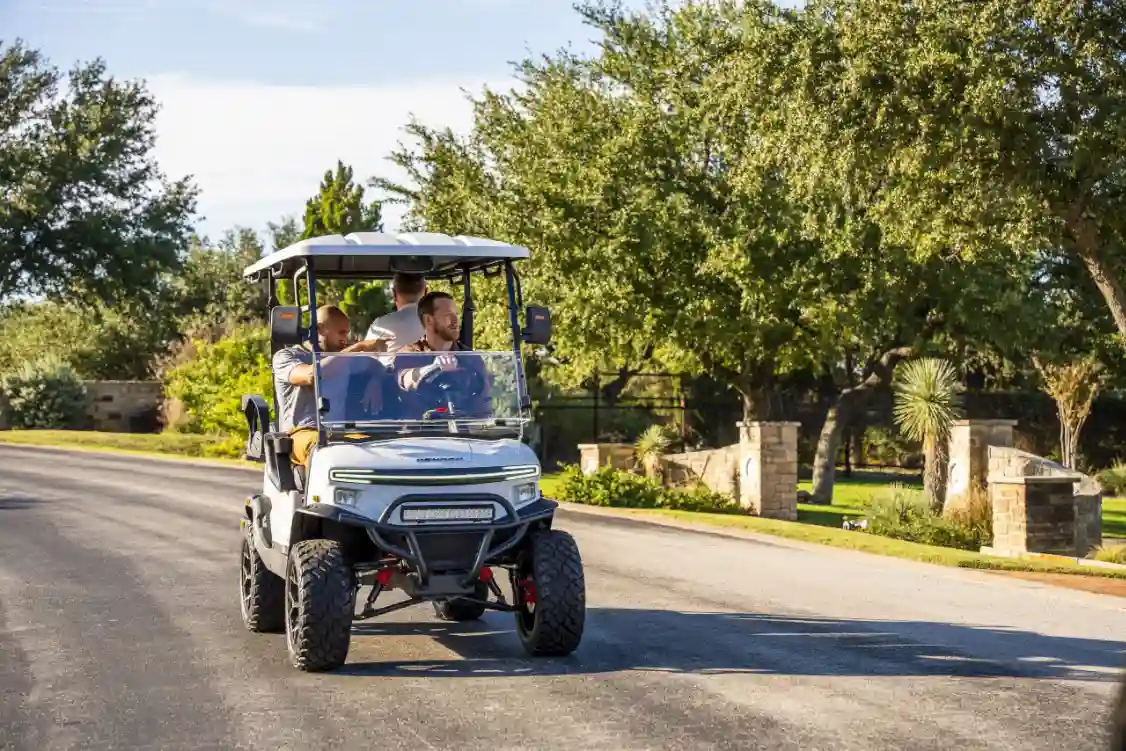
Golf cart speeding down a paved path with speed lines showing motion

How Fast Can a Golf Cart Go?

How fast can a golf cart really go? On the course, around your neighborhood, or at a resort, knowing your cart's speed capabilities matters for both practical use and safety.

The average golf cart speed ranges from 12 to 15 miles per hour (MPH) for standard models, while modified carts can reach speeds of 25 MPH or more. However, the actual speed depends on several factors including the power source, terrain, and whether any modifications have been made.

15 MPH
Average Stock Speed
25+ MPH
Modified Speed
30-35 MPH
Performance Models

Standard Golf Cart Speeds Explained

Manufacturers limit golf cart speeds on purpose for safety. Most stock golf carts travel at these speeds:

  • Electric Golf Carts: 12-15 MPH
  • Gas-Powered Golf Carts: 15-19 MPH
  • Commercial Fleet Carts: Often limited to 10-14 MPH

These limits exist for good reasons. They keep people safe on golf courses and prevent crashes in neighborhoods and resorts.

Why Golf Cart Speeds Are Limited

Golf carts are built for short trips at slow speeds. Speed governors (limiters) serve several purposes:

  1. Safety: Preventing accidents and injuries
  2. Course Protection: Reducing damage to turf and paths
  3. Pace of Play: Maintaining consistent movement on golf courses
  4. Legal Compliance: Meeting local regulations for low-speed vehicles

Important: Most states classify golf carts as "Low-Speed Vehicles" (LSVs) when they can travel between 20-25 MPH. Different regulations apply to LSVs compared to standard golf carts.

Electric vs. Gas Golf Cart Speed Differences

Electric and gas carts have different speed limits. Here's a quick look:

FeatureElectric CartsGas Carts
Top Speed (Stock)12-15 MPH15-19 MPH
AccelerationQuick start (instant torque)Better at top end
Hill PerformanceModerateStrong
Speed MaintenanceDecreases with battery useConsistent

Key Differences:

  • Electric carts offer instant torque for quick acceleration but may slow on hills or when batteries are low
  • Gas carts typically have higher top speeds and maintain power better on inclines

For a complete breakdown of electric vs. gas golf carts including costs, maintenance, range, and which is right for you, see our comprehensive electric vs gas golf cart comparison guide.

Factors That Affect Golf Cart Speed

Many things affect your cart's real-world speed, even if the specs say otherwise:

Weight and Load

More weight means slower speeds:

  • Passenger Count: Each additional passenger reduces top speed
  • Cargo Weight: Heavier loads require more power to move
  • Golf Bag Load: Fully loaded golf bags add significant weight
  • Aftermarket Accessories: Heavy add-ons affect performance

A fully loaded four-passenger cart might see a 10-20% reduction in top speed compared to a single driver with no cargo.

Terrain Conditions

The surface you're driving on dramatically affects golf cart speed:

  • Paved Paths: Allow maximum speed potential
  • Grassy Fairways: Reduce speed by 10-15%
  • Sandy Areas: Can decrease speed by 20-30%
  • Uphill Slopes: Significantly reduce speed (25-50% depending on grade)
  • Downhill: May increase speed beyond normal limits (requires caution!)

Tire Type and Condition

Tires make a big difference in how fast you can go:

  • Standard Golf Tires: Optimized for turf, moderate speed
  • All-Terrain Tires: Better traction but may reduce top speed
  • Low-Profile Tires: Can increase speed on smooth surfaces
  • Tire Pressure: Underinflated tires significantly reduce speed
  • Tire Wear: Worn tires provide less traction and reduced speed

Weather Conditions

Weather affects speed too:

  • Wind Resistance: Headwinds can reduce speed by 5-15%
  • Wet Conditions: Slippery surfaces require slower operation
  • Temperature: Cold weather reduces battery performance in electric carts
  • Extreme Heat: Can affect gas cart engine efficiency

Want more speed? Many owners modify their carts. Here are the best ways to go faster:

Speed Governor Adjustments

Most stock golf carts include a speed governor (limiter) that restricts the maximum speed:

  • Governor Adjustment: Can increase speed by 3-5 MPH
  • Governor Removal: Can potentially increase speed by 5-10+ MPH

Warning: Removing or adjusting the speed governor may void your warranty and could create unsafe operating conditions if other components aren't upgraded accordingly.

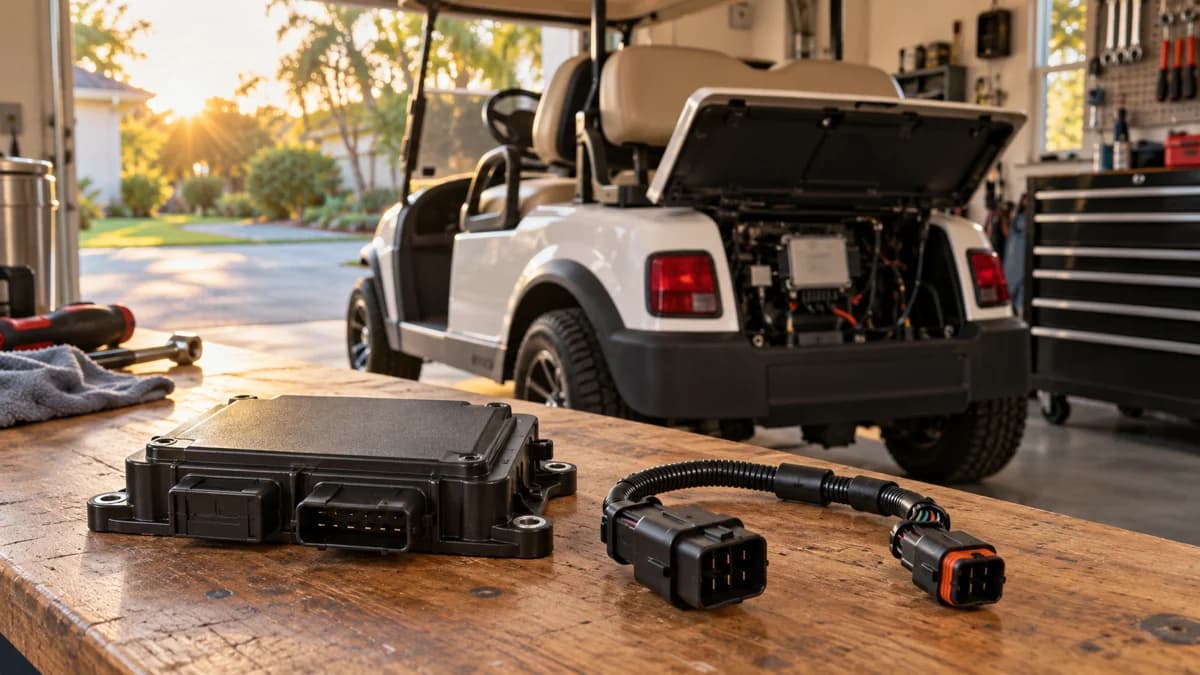
Motor and Controller Upgrades

Electric carts can go much faster with these upgrades:

  • High-Torque Motors: Can increase top speed to 20-25 MPH
  • Performance Controllers: Allow finer control and higher power output
  • Higher Voltage Systems: Upgrading from 36V to 48V can add 5-8 MPH

Battery Improvements

Better batteries mean better performance:

  • Lithium Batteries: Lighter weight and more consistent power delivery
  • High-Performance Lead-Acid: Better power output than standard batteries
  • Larger Battery Banks: More capacity for sustained high speeds

Engine Modifications

Gas golf carts can benefit from these engine upgrades:

  • Performance Carburetors: Better fuel delivery increases power
  • Engine Tuning: Optimized settings for higher RPM and power
  • Exhaust System Upgrades: Reduced back pressure for increased power
  • Higher CC Engines: Some owners swap in larger engines for dramatically increased speed

Before you make your cart faster, know the rules:

To drive on streets, most places require your cart to:

  • Have a top speed under 25 MPH (to qualify as an LSV)
  • Include safety equipment like headlights, taillights, turn signals, and mirrors
  • Have seat belts, a windshield, and a VIN number
  • Be registered and sometimes insured

If your cart goes over 25 MPH, it may be treated like a car with stricter rules.

Local Regulations

Speed limits for golf carts vary widely by location:

  • Golf Courses: Typically limited to 15 MPH maximum
  • Retirement Communities: Often restricted to 15-20 MPH
  • Public Roads: Usually limited to 25 MPH where permitted
  • Private Property: May have no specific speed limits, but safety is still paramount

Tip: Always check local regulations before operating or modifying a golf cart. In 2026, many communities have updated their golf cart ordinances with stricter enforcement.

Check our guide to golf cart laws by state for detailed information about legal requirements in your area.

Safety Considerations for Higher-Speed Golf Carts

Faster carts need more safety. If you drive at higher speeds, keep these tips in mind:

Required Safety Upgrades

Stock golf carts aren't built for high speeds. You may need these upgrades:

  • Enhanced Braking Systems: Stock brakes may not be sufficient for higher speeds
  • Upgraded Suspension: Better handling and stability at speed
  • Reinforced Frame: Additional support for high-speed operation
  • Safety Restraints: Seat belts become essential at higher speeds
  • Roll Bars or Cages: Protection in case of rollover

Golf carts modified for speeds above 20 MPH are involved in significantly more accidents than standard carts when not properly equipped with safety features.

Handling Characteristics

Golf carts don't handle like cars at high speeds:

  • Higher Center of Gravity: Increased rollover risk during turns
  • Limited Suspension Travel: Less ability to absorb bumps at speed
  • Lighter Weight: More susceptible to crosswinds and road irregularities
  • Smaller Wheelbase: Less stability in emergency maneuvers

Operator Requirements

When operating a higher-speed golf cart:

  • Proper Training: Understand the unique handling characteristics
  • Full Attention: No distracted driving, especially at higher speeds
  • Appropriate Speed: Just because it can go faster doesn't mean it always should
  • Weather Awareness: Reduce speed in adverse conditions
  • Passenger Briefing: Ensure all riders understand safety procedures

Safety Alert: Never exceed the manufacturer's recommended passenger capacity, especially in modified high-speed golf carts. Overloading dramatically increases the risk of accidents and rollovers.

Maintenance for Speed

Faster carts need more upkeep:

  • More Frequent Brake Checks: Inspect brake components regularly
  • Tire Maintenance: Proper inflation and condition are critical
  • Suspension Inspection: Check for wear that could affect handling
  • Steering Component Check: Ensure tight connections and no excessive play
  • Electrical System Testing: For electric carts operating at higher voltage

Share this post

Find the Best Golf Cart Deal Near You

Compare top-rated golf cart dealers in your area and protect your vehicle with professional repair.

Related posts

Stay in the loop

Stay Updated with Golf Cart News

Get the latest updates on golf cart services, tips, and exclusive offers delivered to your inbox.