Street and LSV Tire Fitment
DOT Golf Cart Tires: Street, LSV & Low-Profile Fitment
DOT and street golf cart tires matter when a cart will spend real time on pavement, neighborhood streets, or an LSV registration path. The right tire is not just a smooth tread. Check the sidewall marking, size, load rating, PSI, wheel fitment, and local road-use rules before buying.
As an Amazon Associate, we earn from qualifying purchases. Product links are shopping starting points, not a substitute for checking your cart model, tire height, wheel offset, lug hardware, and local road-use rules.
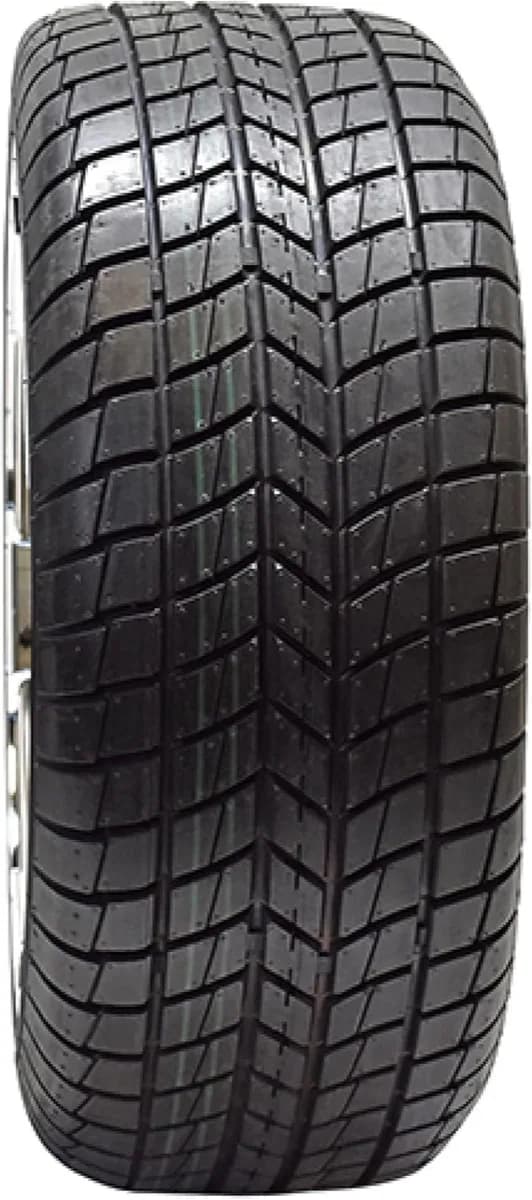
DOT marking is the key detail
A street tread pattern is not the same as a DOT-marked tire. Check the sidewall language and listing photos before using it for road-use planning.
Low-profile sizes stay stock height
205/50-10 and 215/40-12 are common street-style sizes because they can keep overall height close to stock.
Tires are only one LSV item
Street-use equipment can also include lights, mirrors, windshield, wiper, seat belts, registration, and insurance depending on state and vehicle class.
Before buying
How to Check DOT Golf Cart Tires
Use this path when the cart may be used on public roads, registered as an LSV, or inspected for street equipment. Rules vary, so check the tire and the legal path.
Look for sidewall DOT marking
The product title is not enough. The tire itself should show DOT marking if that is required for your road-use path.
Match the wheel diameter
A 205/50-10 tire needs a 10-inch wheel. A 215/40-12 tire needs a 12-inch wheel. The last number in the tire size is the rim diameter.
Open pathCheck load and pressure
Street tires still run much lower pressure than car tires on most golf carts. Start with the tire maker guidance and the cart load.
Open pathConfirm local road-use rules
Some states and cities care about the full LSV classification, not one part. Tires do not make a cart street legal by themselves.
Open pathAvoid tall tire surprises
A street tire can still be too tall if the wheel/tire package changes overall height. Check clearance before buying a full set.
Plan for wet pavement
A smooth-looking street tire should still handle water, braking, and neighborhood pavement. Replace old or cracked tires even if tread depth looks fine.
Where DOT Tires Fit in a Street-Legal Build
DOT tires may be one piece of the build, but they do not replace the legal and equipment checklist. Use these related paths before spending money.
Street-legal equipment list
Check lights, mirrors, windshield, wiper, seat belts, reflectors, speed, VIN, registration, and insurance requirements.
Open pathStreet-legal checker
Use the checker when you need a state-specific yes, no, or conditional answer before buying equipment.
Open pathLSV vs golf cart
Confirm whether your setup is still a golf cart, a local-route cart, or a federally defined low-speed vehicle.
Open pathLights and wiring parts
Tires often pair with headlights, brake lights, turn signals, voltage reducers, and mirrors in road-use builds.
Open pathWindshield fitment
Street-use builds often need clear windshield and wiper planning, not just tinted recreational windshields.
Open pathLocal inspection help
Use a local shop when equipment, paperwork, wiring, and fitment need to come together before inspection.
Open pathQuick Comparison
Street tire path
Stock replacement with smoother treadCommon size
18x8.50-8Why it works
Keeps stock height and simple fitmentWatch out for
Not always DOT-markedStreet tire path
10-inch low-profile street tireCommon size
205/50-10Why it works
Common paved-use size near stock heightWatch out for
Needs 10-inch wheelStreet tire path
12-inch low-profile street tireCommon size
215/40-12Why it works
Street look with controlled heightWatch out for
Shorter sidewall can ride firmerStreet tire path
DOT-marked mounted comboCommon size
VariesWhy it works
Convenient if listing is specificWatch out for
Must confirm actual sidewall markingStreet tire path
Lifted street tire packageCommon size
22-23 in overallWhy it works
Style and stance for lifted cartsWatch out for
Lift, braking, range, and local rulesShopping Starting Points
Use these product searches to compare common fitment paths. Confirm exact size, lug hardware, offset, and return policy before ordering.
DOT search
DOT golf cart tires
Checking tire listings that explicitly mention DOT or street-use marking
Confirm the sidewall marking, rim diameter, overall height, load rating, and whether your state requires DOT tires.
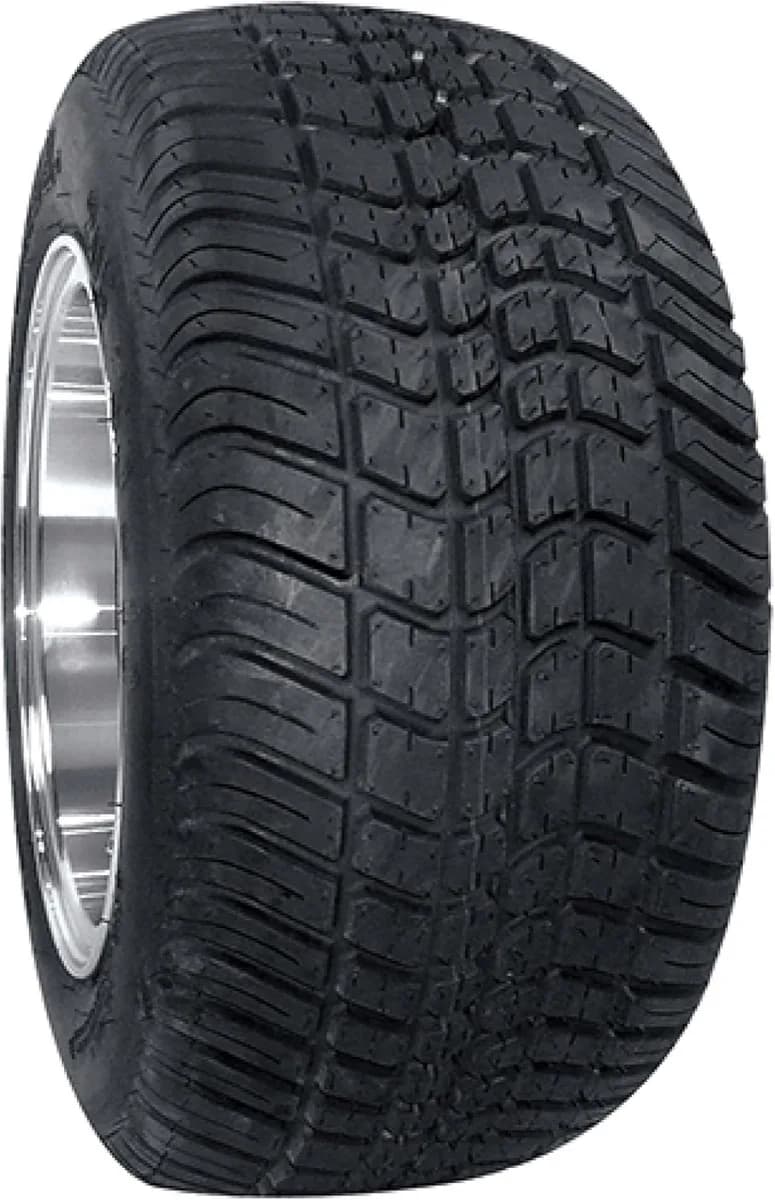
10-inch street tire
205/50-10 golf cart street tires
Stock-height paved carts using 10-inch wheels
Check 10-inch rim diameter, overall height near stock, tire pressure, and DOT marking if road use matters.
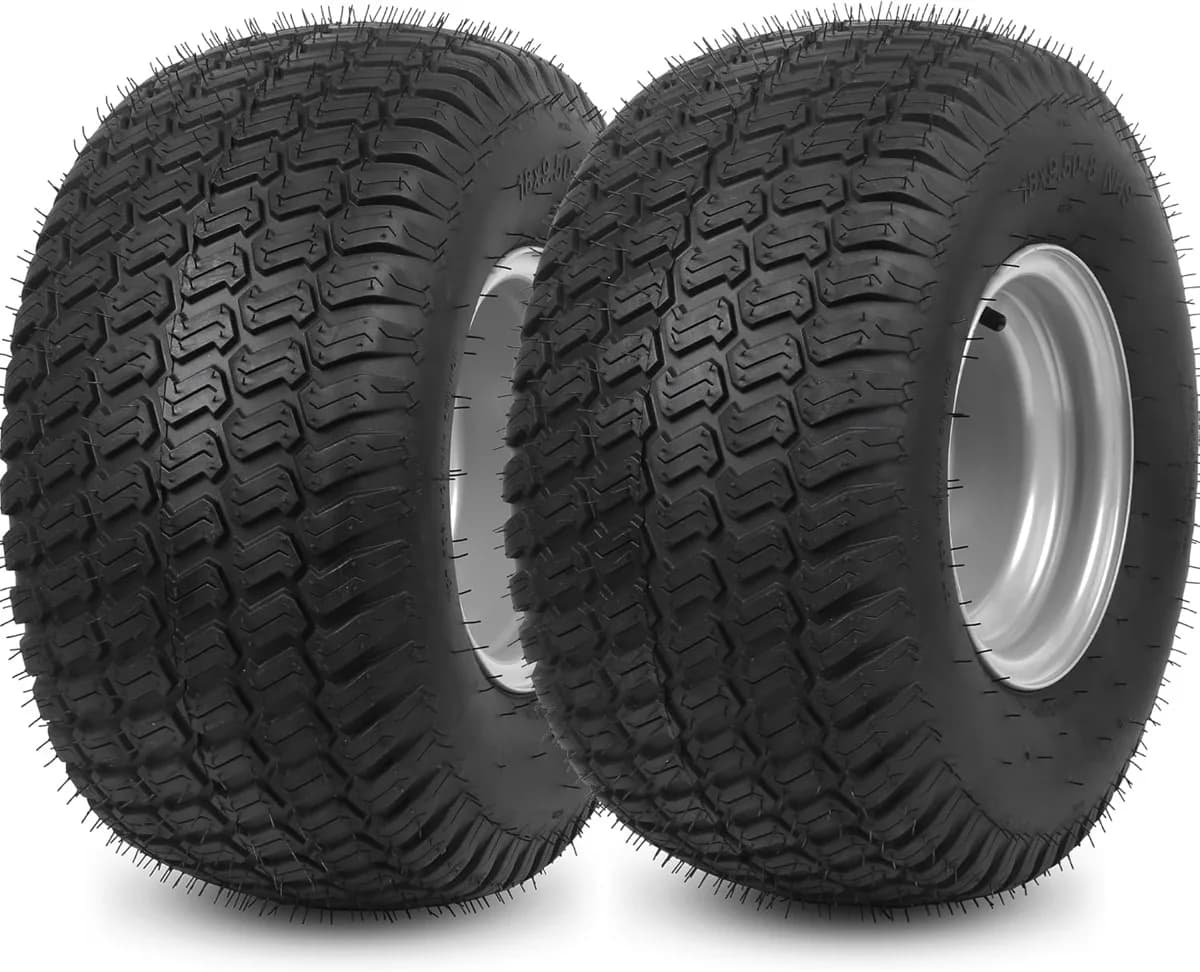
Mounted street combo
Street golf cart wheels and tires combo
Comparing complete street packages before checking sidewall marking and clearance
Confirm bolt pattern, lug nuts, tire height, offset, DOT marking, and whether the cart stays stock height.
Related Tire and Wheel Paths
Street Legal Golf Cart Guide
Check the full equipment and paperwork path before buying road-use parts.
Open guideGolf Cart Tire Size Calculator
Compare low-profile street sizes against stock and lifted tire heights, wheels, and clearance.
Open guideGolf Cart Wheels and Tires Combo
Use this when buying a mounted street package instead of separate tires.
Open guideGolf Cart Laws by State
Check the local road-use rules that decide whether DOT tires matter.
Open guideFrequently Asked Questions
Do golf carts need DOT tires?
It depends on the vehicle classification and local rules. A private-property golf cart may not need DOT tires, while a street-use or LSV path may require road-use equipment. Check your state and local rules before buying.
Are all street golf cart tires DOT approved?
No. Some street-style tires have smooth pavement tread but are not DOT-marked. If DOT approval matters, verify the actual sidewall marking and listing photos.
What size DOT golf cart tire should I buy?
For stock-height paved carts, 205/50-10 and similar low-profile sizes are common. The right choice depends on wheel diameter, overall tire height, load rating, road-use rules, and clearance.
Do DOT tires make a golf cart street legal?
No. Tires alone do not make a cart street legal. A road-use setup may also need lights, turn signals, brake lights, mirrors, windshield, wiper, seat belts, VIN, registration, insurance, and speed limits depending on state and city rules.