Lights, Signals, and 12V Wiring
Golf Cart Lights and Light Kits Finder
Find LED light kits, headlights, taillights, brake lights, turn signals, horns, voltage reducers, fuse blocks, light bars, mirrors, and reflectors by cart brand, voltage, wiring, and street-use needs.
Start with the goal: basic dusk visibility, a full street-use lighting package, a turn-signal add-on, or a safe 12V accessory wiring setup for an electric cart.
As an Amazon Associate, we earn from qualifying purchases. We use Amazon links for light kits, signal kits, voltage reducers, fuse blocks, reflectors, mirrors, light bars, and testing tools where online buying can make sense.
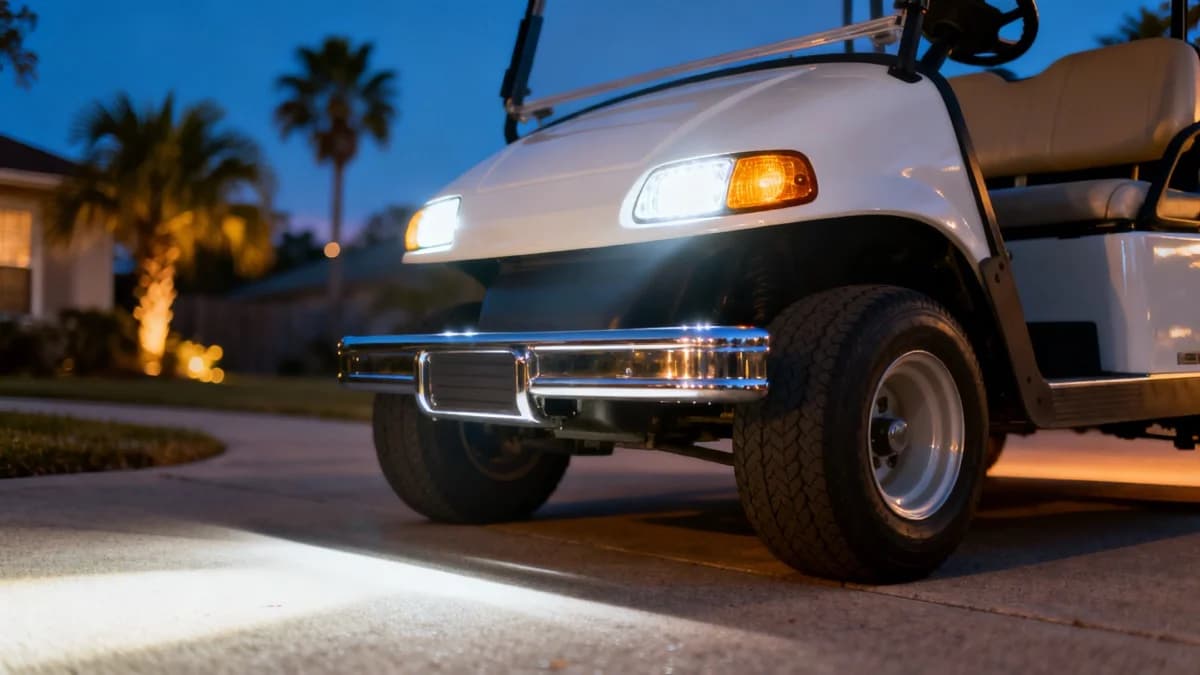
Start with the lighting job
Golf Cart Lights Directory by Setup
Most mistakes happen when buyers treat every kit as universal. Pick the lighting job first, then confirm body fitment, voltage, harness style, brake-light behavior, and road-use requirements.
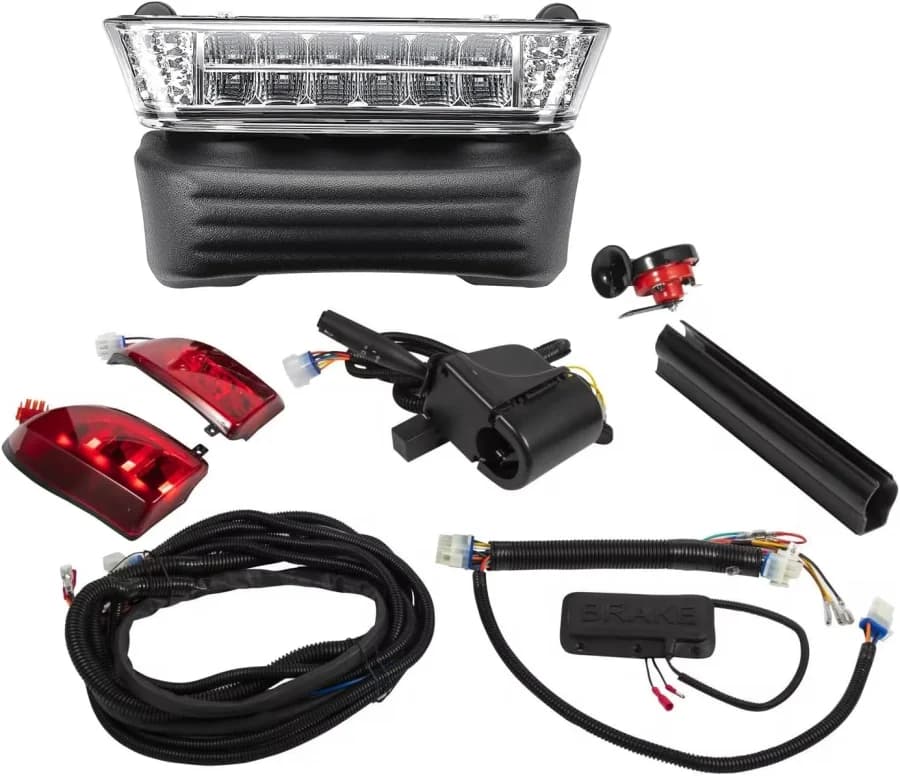
Complete LED Light Kits
Best for carts with no lights or unreliable old wiring. Match the kit to the cart body, model year, front cowl, rear body, brake switch, harness, and voltage support.
Buying path
Buy online when the listing names your exact platform. Use a shop when the cart needs body cutting, unknown wiring repair, or a street-legal inspection.
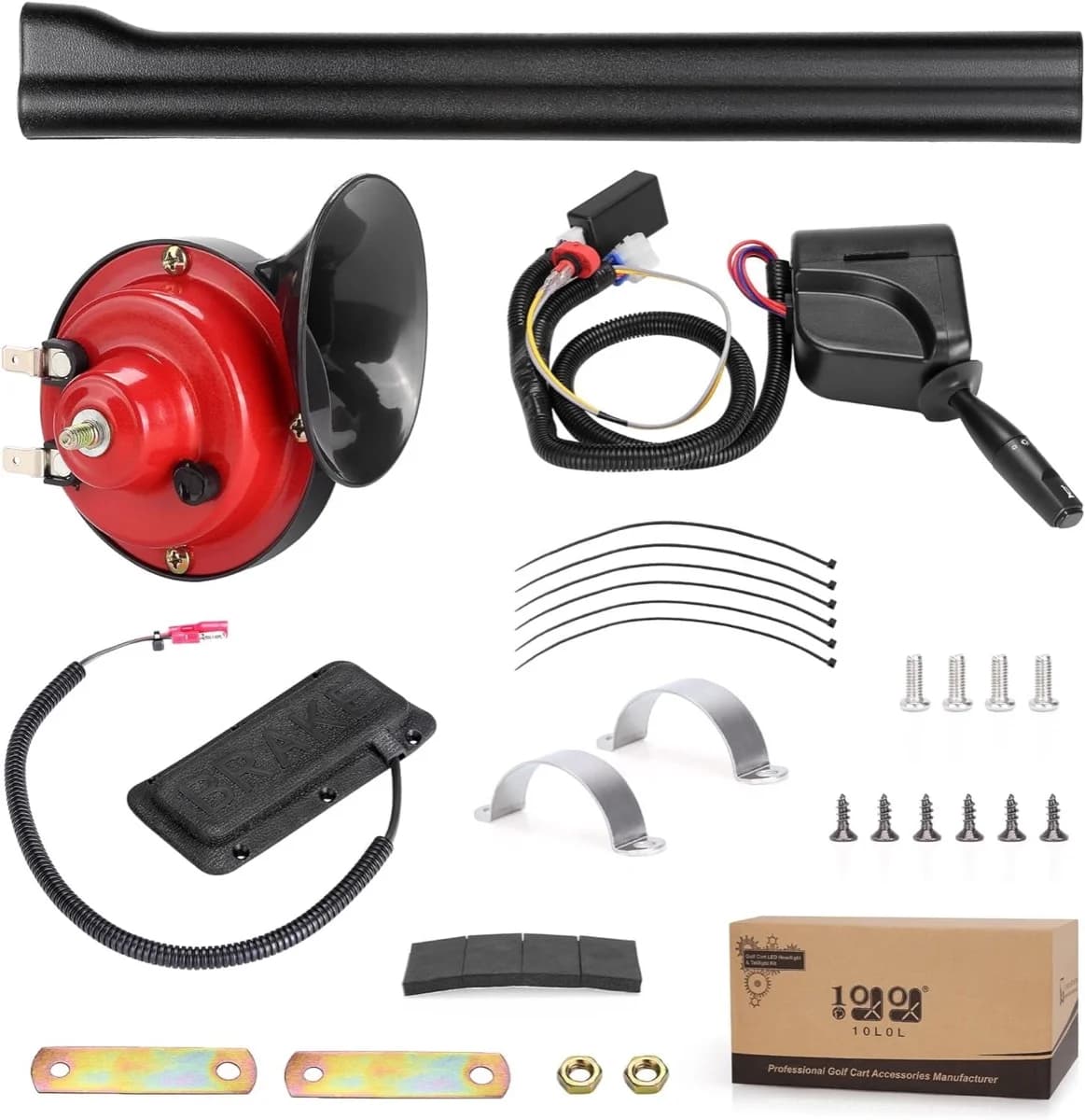
Turn Signals, Brake Lights, and Horns
Good when the cart already has working front and rear lights. Confirm 9-pin or harness compatibility, 12V input, brake switch mounting, and steering-column fit.
Buying path
Add-on signal kits are efficient only when the existing light harness is compatible. Otherwise a full light kit usually saves rework.
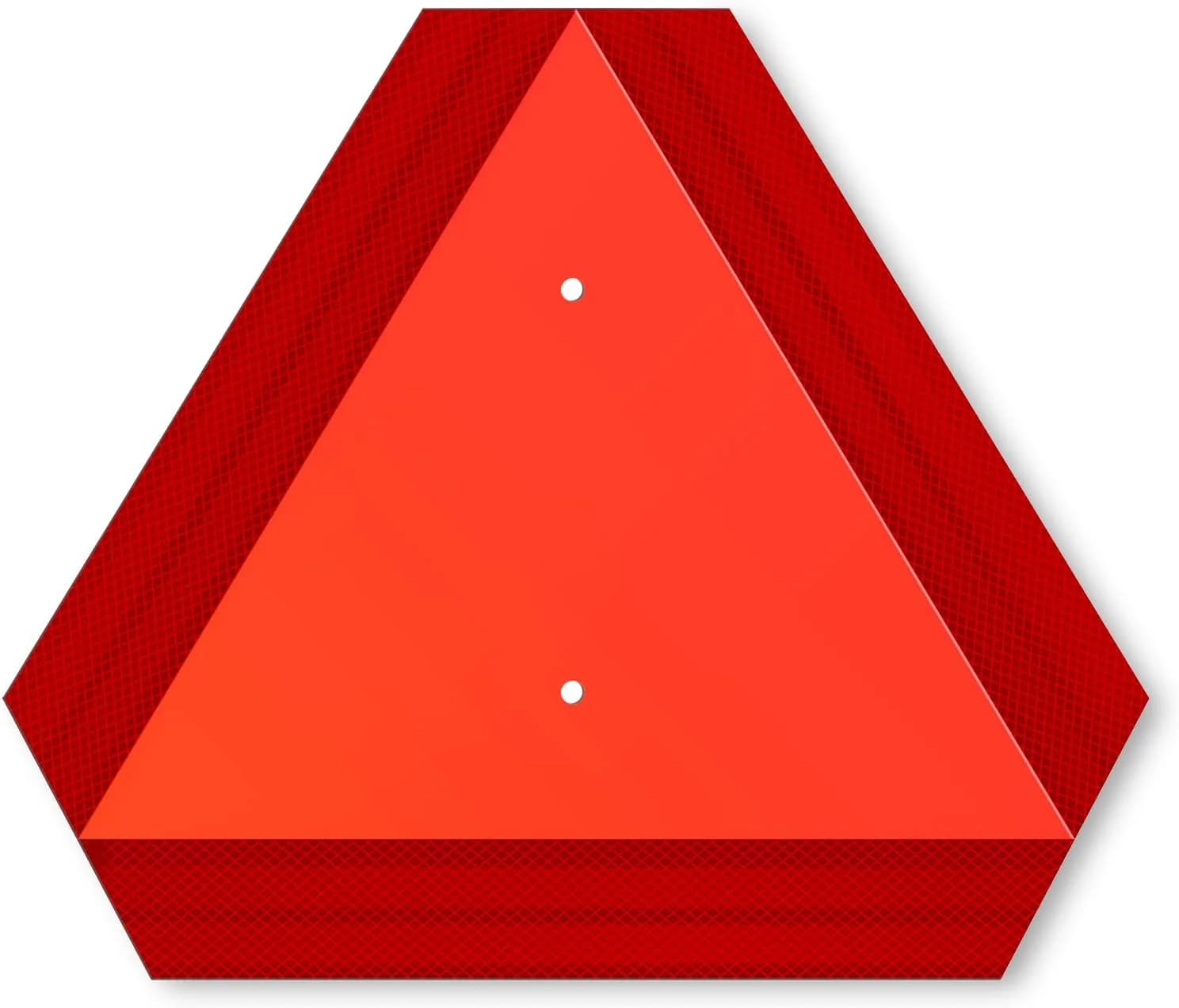
Street-Use Visibility and Reflectors
Reflectors, SMV signs, mirrors, horn, and lights are part of a bigger compliance package. Confirm local rules before assuming a part makes the cart road legal.
Buying path
Online is fine for reflectors, mirrors, and simple visibility accessories. Use local guidance for registration, inspection, VIN, and state-specific equipment rules.
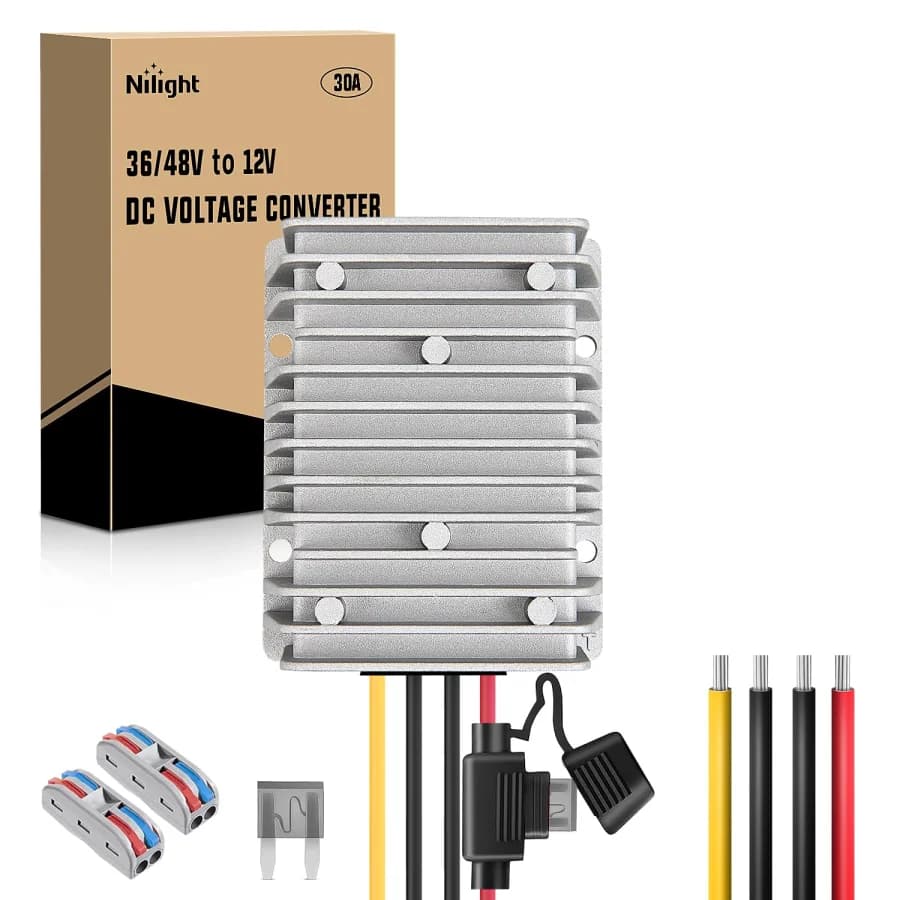
Voltage Reducers and Fuse Blocks
Most electric carts need a reducer for 12V lights. Size it by total accessory amperage, fuse every branch, and avoid tapping one battery in a multi-battery pack.
Buying path
Reducers and fuse blocks are good online buys when you know the pack voltage and accessory load. Use a shop for lithium packs, unknown grounds, or repeated fuse failures.
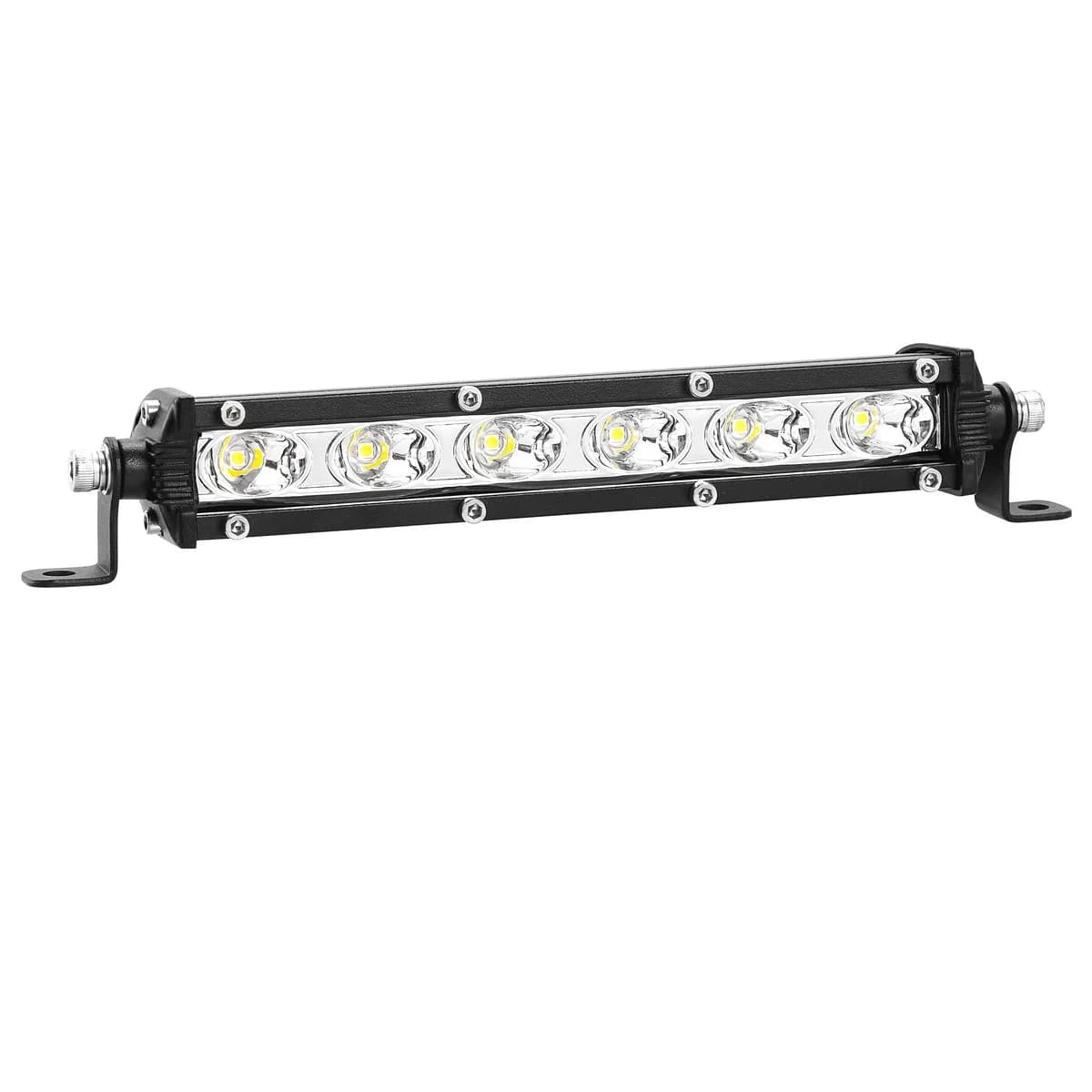
Light Bars and Utility Lighting
Light bars help private-property, trail, work, hunting, and ranch visibility. They do not replace required road headlights or legal turn signals.
Buying path
Buy light bars online when mounting, switch wiring, voltage range, beam pattern, and local glare rules are clear.
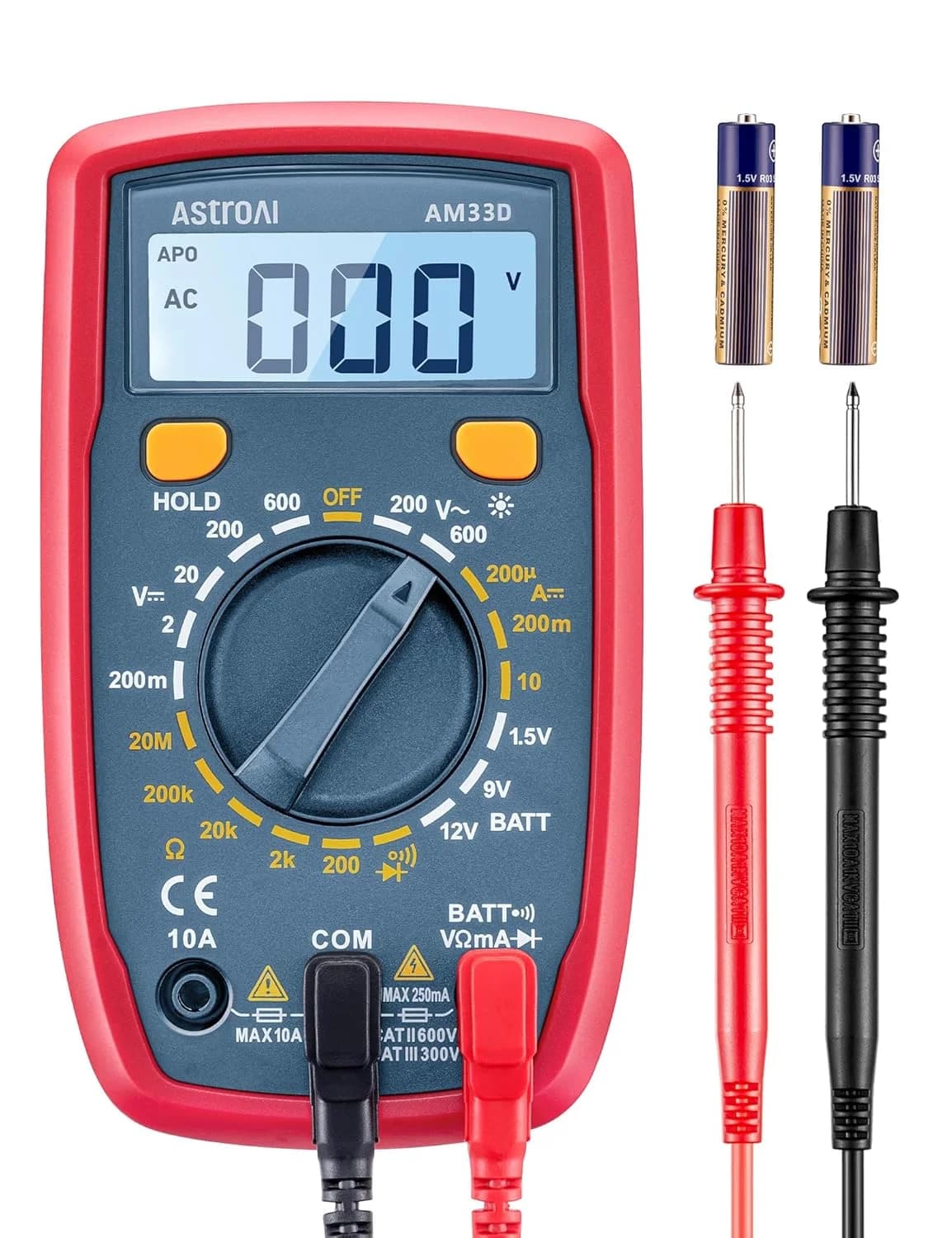
Testing, Troubleshooting, and Repairs
Flickering, dead brake lights, blown fuses, weak grounds, and bad reducers need voltage and continuity checks before buying replacement lights.
Buying path
A multimeter is worth buying before replacing parts. Use a shop if the issue involves the controller, lithium battery system, factory harness, or melted wiring.
Shop Common Light, Signal, and Wiring Paths
Use these as starting points. Lighting parts still need the right brand fitment, body shape, voltage support, fuse protection, harness style, and road-use equipment for your exact cart.
Club Car light kit
10L0L Deluxe LED light kit for Club Car Precedent
Club Car Precedent, Tempo, and related personal carts where the listing confirms fitment
Check Precedent, Tempo, or Onward fitment, year range, 12V versus wide-input harness, cowl style, and brake switch hardware.
Full kit search
Golf cart street-legal LED light kit listings
Comparing full light kits by Club Car, E-Z-GO, Yamaha, and model-specific body fitment
Do not shop by price alone. Match body openings, taillight style, switch hardware, brake-light function, voltage, and return policy.
Turn signal kit
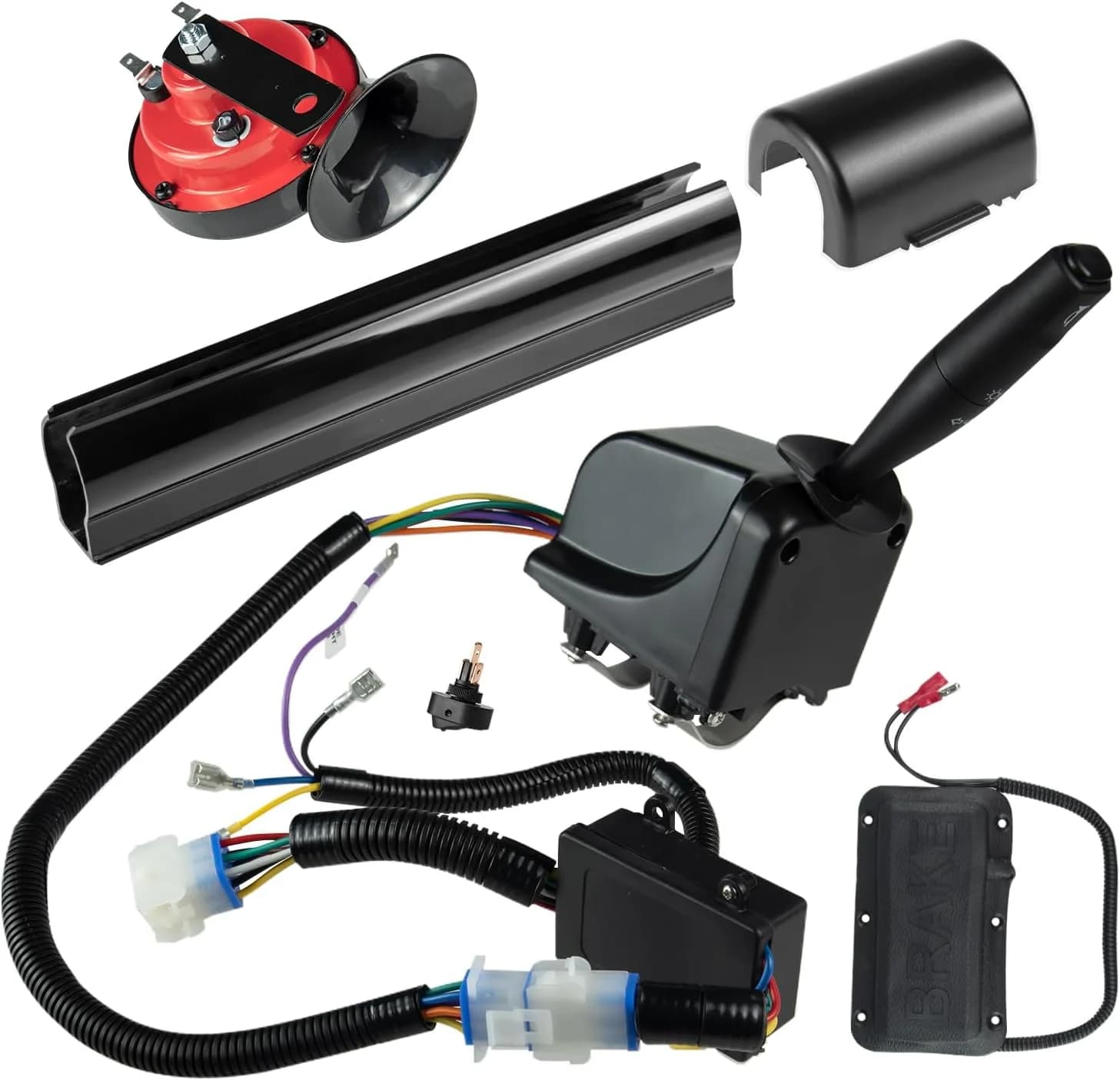
10L0L universal 9-pin turn signal kit
Carts that already have lights and a compatible 9-pin aftermarket harness
Requires 12V power and compatible wiring. Confirm brake-switch mounting and column cover fit before ordering.
LED signal mirrors
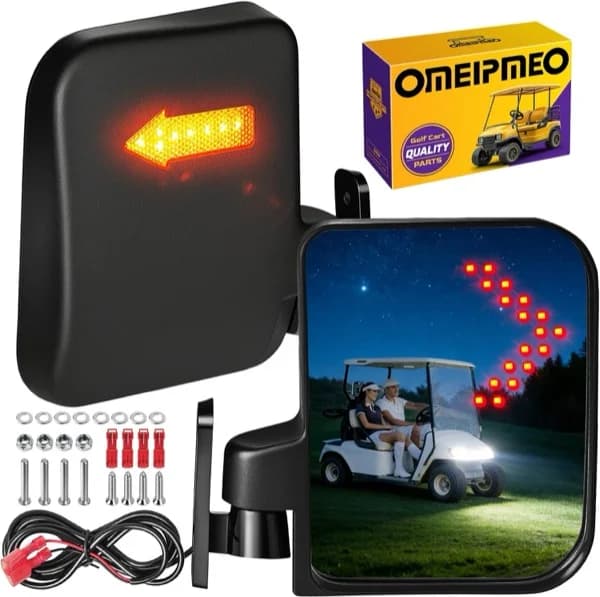
OMEIPMEO LED turn signal mirrors
Adding side visibility and turn signal indicators on compatible roof-strut carts
Mirror signals can supplement the setup, but confirm whether front and rear signals are still required where you drive.
Light bar
Lightboss 7-inch slim LED light bar
Private-property night driving, trail visibility, work carts, hunting carts, and ranch use
Confirm mounting location, beam pattern, switch wiring, voltage range, and local glare restrictions.
Voltage reducer
Nilight 48V/36V-to-12V voltage reducer
Powering 12V lights, signal kits, horns, USB ports, radios, and accessories from an electric cart pack
Confirm pack voltage, total accessory amperage, fuse sizing, ground plan, and lithium compatibility.
Fuse block
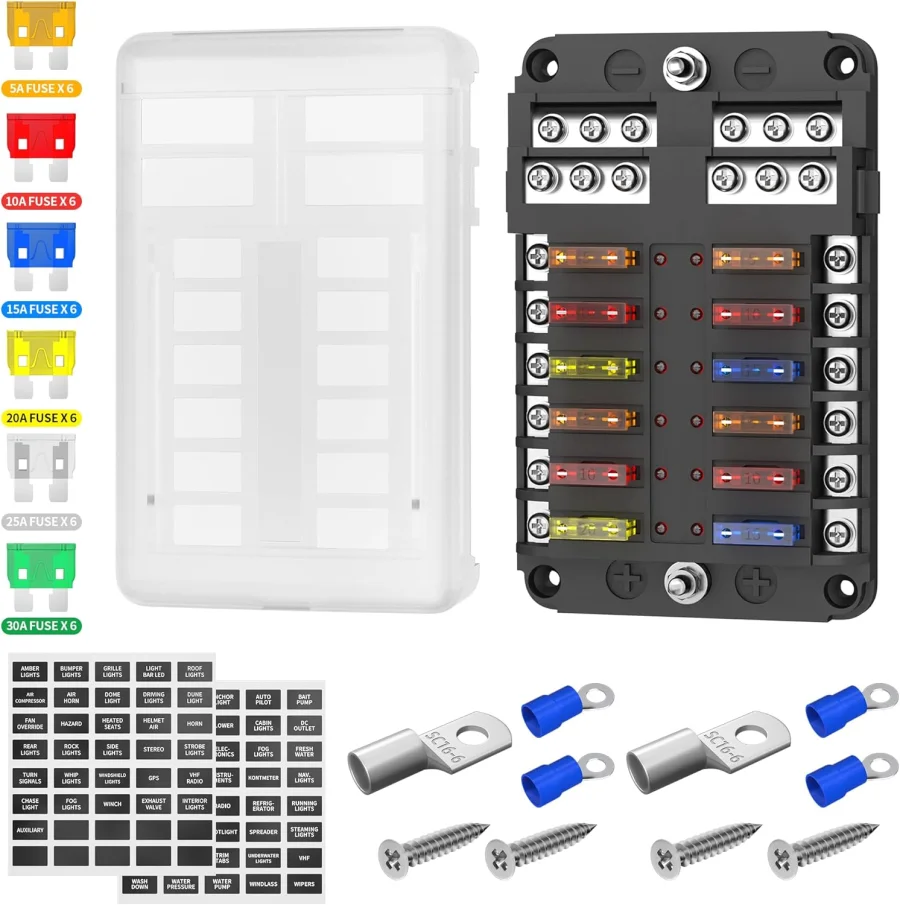
DaierTek 12-way fuse block
Cleaner light, horn, USB, fan, and accessory wiring after installing a voltage reducer
Fuse each accessory branch separately and keep wiring away from steering, brake linkage, and sharp body edges.
Testing tool
AstroAI digital multimeter
Checking 12V reducer output, fuse continuity, brake switch behavior, and weak ground symptoms
Use DC volts and continuity mode carefully. A multimeter confirms power paths before replacing lights or controllers.
Reflector
SMV slow-moving vehicle triangle
Neighborhood, farm, campground, and local-road carts where rear visibility or SMV marking matters
Confirm local rules and mount it high enough to be visible without blocking taillights or rear-seat hardware.
Where to Buy Golf Cart Lights
Lights are easy to buy wrong because fitment depends on more than the words golf cart. Use the path that matches the install risk.
Buy online for exact-fit kits
Model-specific light kits, signal add-ons, mirrors, reducers, fuse blocks, and testing tools are good online buys when fitment is clearly named.
Use a shop for unknown wiring
A shop is the better path when a previous owner modified the harness, fuses keep blowing, or brake-light function is inconsistent.
Check legal requirements first
Lights are only one part of road use. Confirm state and local rules before buying a pile of conversion parts.
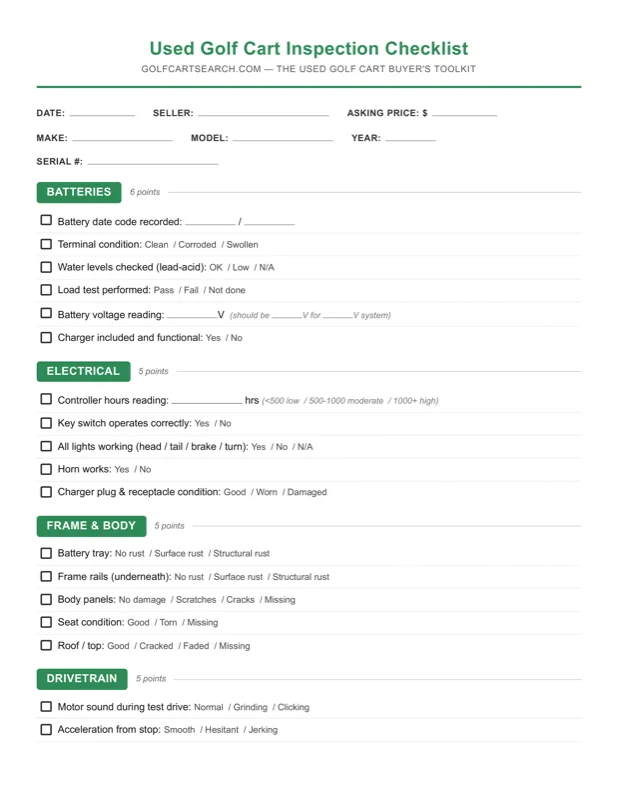
Light Kit Fitment Checklist
The expensive mistake is cutting the body or powering a light kit before proving platform fitment, voltage, fuse protection, and brake-light behavior.
Identify the platform
Confirm Club Car DS, Precedent, Tempo, Onward, E-Z-GO TXT, RXV, Yamaha Drive, Drive2, or another exact body.
Confirm 12V power
Gas carts usually have 12V power. Electric carts usually need a reducer unless the light kit accepts full pack voltage.
Map the harness
Check front lights, rear lights, brake switch, turn signal lever, horn, fuse block, reducer, and ground path before cutting.
Test before closing up
Verify headlights, taillights, brake lights, turn signals, hazards, horn, fuse sizing, and reducer output before reassembling trim.
Golf Cart Lighting Package Quick Chart
Use this to decide whether you need a basic light kit, a full street-use package, an add-on signal kit, or accessory wiring support before ordering parts.
Parts
Front lights, rear lights, harness, switchBest use
Dusk driving on private property or low-risk neighborhood useWatchout
Usually not enough for public-road complianceParts
Headlights, taillights, brake lights, turn signals, horn, harnessBest use
Carts starting from no lights or poor old wiringWatchout
Still may need mirrors, belts, windshield, DOT tires, and registrationParts
Lever, flasher, horn, brake switch, 9-pin harnessBest use
Carts that already have compatible lightsWatchout
Bad fit if the cart has no lights or a mystery harnessParts
36V/48V-to-12V reducer, fuse panel, wire, terminalsBest use
Electric carts powering 12V lights and accessoriesWatchout
Do not tap one battery to feed 12V accessoriesParts
LED bar, brackets, switch, fuse, relay if neededBest use
Off-road, hunting, work-cart, farm, and ranch visibilityWatchout
Not a substitute for street-legal headlightsParts
LED mirrors, rear reflectors, SMV triangleBest use
Extra visibility around traffic, crossings, and neighborhoodsWatchout
Mirror signals may not replace front and rear signals by lawLight Kit Fitment by Brand
Brand names are only the starting point. Body generation, voltage, factory wiring, and brake switch design decide whether the kit actually installs cleanly.
E-Z-GO TXT, T48, Valor, and RXV
Strong support for TXT light kits, 48V triangle-era wiring, signal add-ons, voltage reducers, and street-use accessories
TXT and RXV are not the same. Confirm body year, cowl shape, RXV-specific behavior, pack voltage, and gas or electric drivetrain.
Club Car DS
DS-specific light kits, older body cutouts, rear light placement, and brake switch hardware need extra checking
Do not buy a Precedent kit for a DS. Confirm DS year range, front cowl, rear body, voltage, and existing accessory wiring.
Club Car Precedent, Tempo, and Onward
Large aftermarket support for deluxe LED kits, turn signals, brake lights, mirrors, and reducers
Precedent, Tempo, and Onward can overlap but are not identical. Confirm year range, HP lithium details, cowl style, and connector style.
Yamaha G-series, Drive/G29, and Drive2
Yamaha light kits are often more model-specific, especially around steering-column covers and brake switch mounting
Match G-series, Drive/G29, or Drive2 exactly. Check gas/electric power, 12V support, body drilling, and whether the kit includes Yamaha hardware.
ICON, Evolution, Star EV, Advanced EV, and Atlas
Many newer carts already include LED lights, turn signals, brake lights, mirrors, and street-use hardware from the factory
Start with the factory parts manual or dealer. Modifying lithium wiring, factory LSV lighting, or warranty-covered electronics can create more problems than it solves.
Light Kit Compatibility Traps
These are the places golf cart light kits go from simple to expensive.
Buying a universal kit by voltage only
Voltage matters, but body fitment, cowl shape, taillight mounting, brake switch hardware, and steering-column trim matter too.
Skipping the voltage reducer on an electric cart
Most 12V light kits cannot connect directly to a 36V or 48V pack. Use a reducer or a kit rated for full pack voltage.
Tapping one battery for 12V accessories
This can unbalance the battery pack and create charging problems. Use a reducer and fuse block instead.
Assuming a light bar makes the cart street legal
Light bars help visibility on private property. They do not replace headlights, taillights, brake lights, turn signals, reflectors, or local compliance.
Adding turn signals to a cart with no lights
Turn-signal add-ons are for carts that already have working lights and compatible wiring. Bare carts usually need a complete kit.
Ignoring brake-light switch fitment
Brake lights depend on a switch that actually works with the pedal or linkage. This is where many cheap installs fail.
DIY or Shop?
Lighting can be a straightforward install, but it becomes a shop job when the cart has unknown wiring, lithium electronics, or inspection requirements.
Easy DIY
Reflectors, SMV triangle, basic mirror mounting, visual bulb checks, fuse inspection, and reading current light-kit labels.
Moderate DIY
Voltage reducer install, fuse block wiring, multimeter checks, light bar mounting, and a known-fit plug-in light kit.
Plan carefully
Full light kits with cowl drilling, brake switch setup, turn signal harnesses, horn wiring, and older carts with brittle plastics.
Use a shop
Unknown wiring, lithium carts, factory LSV lighting faults, repeated blown fuses, melted wires, and street-legal inspection work.
Useful Lighting Guides Before Buying
These pages help confirm light kits, turn signals, voltage reducers, brake-light faults, street-use rules, and state requirements before you spend money on parts.
Best Golf Cart LED Light Kits
Compare headlights, taillights, street-use kits, light bars, underglow, and installation paths.
Open guideBest Golf Cart Turn Signal Kits
Decide whether a 9-pin add-on kit or a complete light package is the better buy.
Open guideVoltage Reducer and 12V Wiring Guide
Plan reducer amperage, fuse blocks, wire gauge, grounds, and safe accessory wiring.
Open guideGolf Cart Brake Lights Not Working
Troubleshoot brake switches, fuses, grounds, voltage reducers, and rear lamp circuits.
Open guideStreet-Legal Golf Cart Requirements
Check the larger road-use package before assuming lights alone solve compliance.
Open guideGolf Cart Laws by State
Confirm whether your state and local roads require lights, signals, registration, or LSV equipment.
Open guideGolf Cart Lights FAQ
What lights do I need to make a golf cart street legal?
Most road-use golf carts need headlights, taillights, brake lights, turn signals, reflectors, and a horn. Many LSV or local street-use setups also need mirrors, seat belts, a windshield, DOT tires, registration, insurance, and local approval. Check your state and city rules before buying parts.
Do electric golf carts need a voltage reducer for lights?
Usually yes. Most electric carts use a 36V, 48V, or 72V battery pack, while many light kits and turn signal kits need 12V power. Use a properly sized voltage reducer or a light kit that is rated for the cart full pack voltage.
Can I add turn signals to existing golf cart lights?
Yes, if the cart already has working headlights, taillights, brake-light wiring, and a compatible harness such as a 9-pin aftermarket light harness. If the cart has no lights or messy homemade wiring, a complete light kit is usually cleaner than an add-on signal kit.
Do golf cart light kits fit all brands?
No. Universal kits can be universal on wiring but not on body fitment. Club Car DS, Club Car Precedent, Tempo, Onward, E-Z-GO TXT, RXV, Yamaha G-series, Drive, and Drive2 can need different housings, cowl cuts, harnesses, brake switches, and steering-column covers.
Should I install golf cart lights myself or use a shop?
Simple plug-in lights, mirrors, reflectors, and voltage checks can be DIY. Use a golf cart shop for body cutting, unknown wiring, brake-light switch problems, lithium carts, street-legal inspections, or any install where you cannot confirm safe 12V power and fuse protection.