Battery Parts and Fitment
Golf Cart Batteries Finder
Find golf cart batteries by voltage, chemistry, brand, charger path, pack layout, and replacement type. This page covers 36V, 48V, lithium, lead-acid, 6V, 8V, 12V, E-Z-GO, Club Car, Yamaha, cables, meters, watering tools, and maintenance products.
Start with the battery type, then confirm brand-specific charger rules, cable condition, battery tray dimensions, BMS rating, terminal style, and whether the job is a simple replacement or a full conversion.
As an Amazon Associate, we earn from qualifying purchases. We use Amazon links for lithium kits, tools, accessories, and common replacement parts where direct online buying is a reasonable fit.
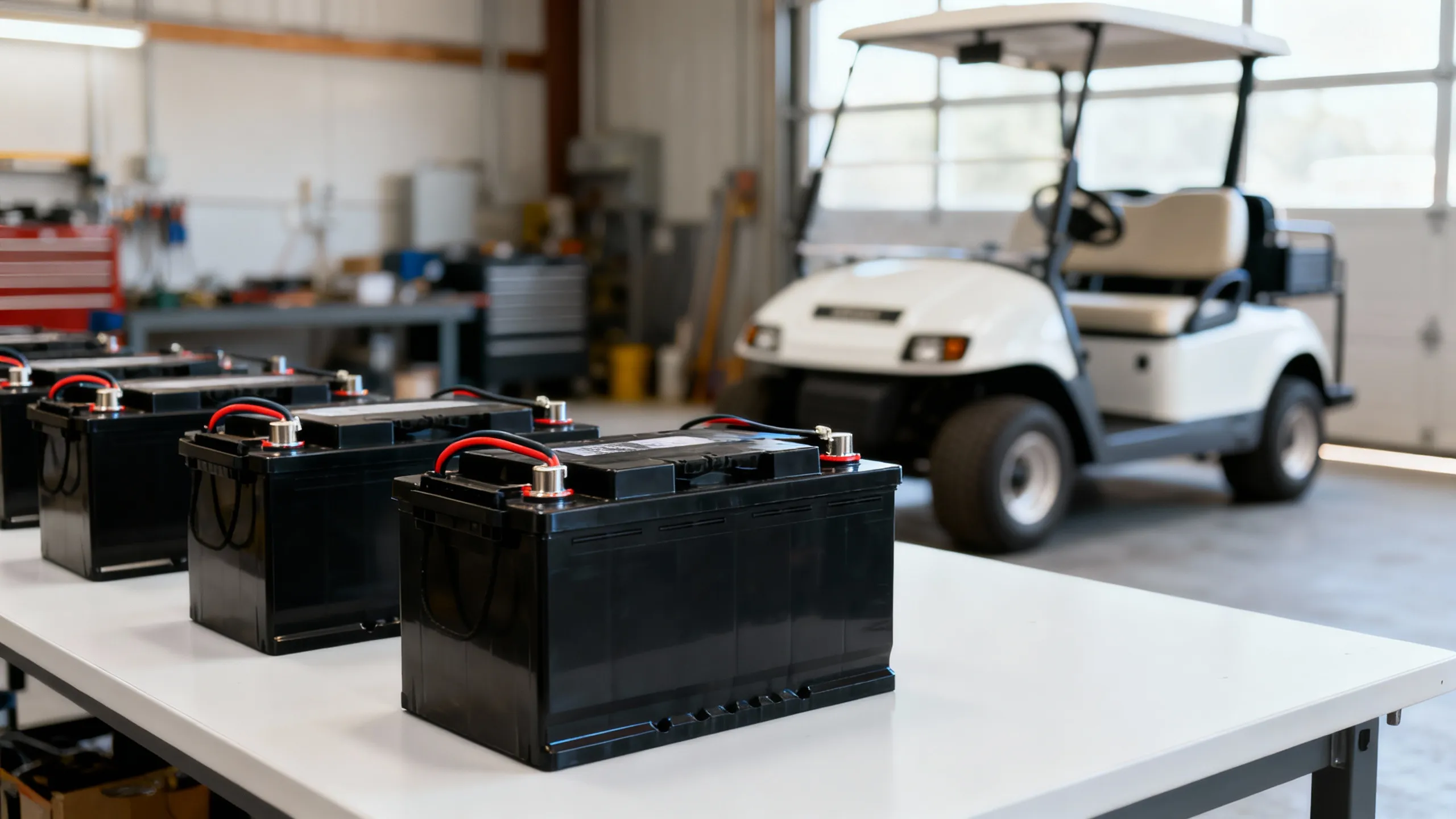
Start with the battery type
Golf Cart Batteries Directory by Type
Most battery mistakes start with the wrong voltage, charger profile, or pack layout. Pick the battery type first, then check brand-specific fitment and replacement risk.
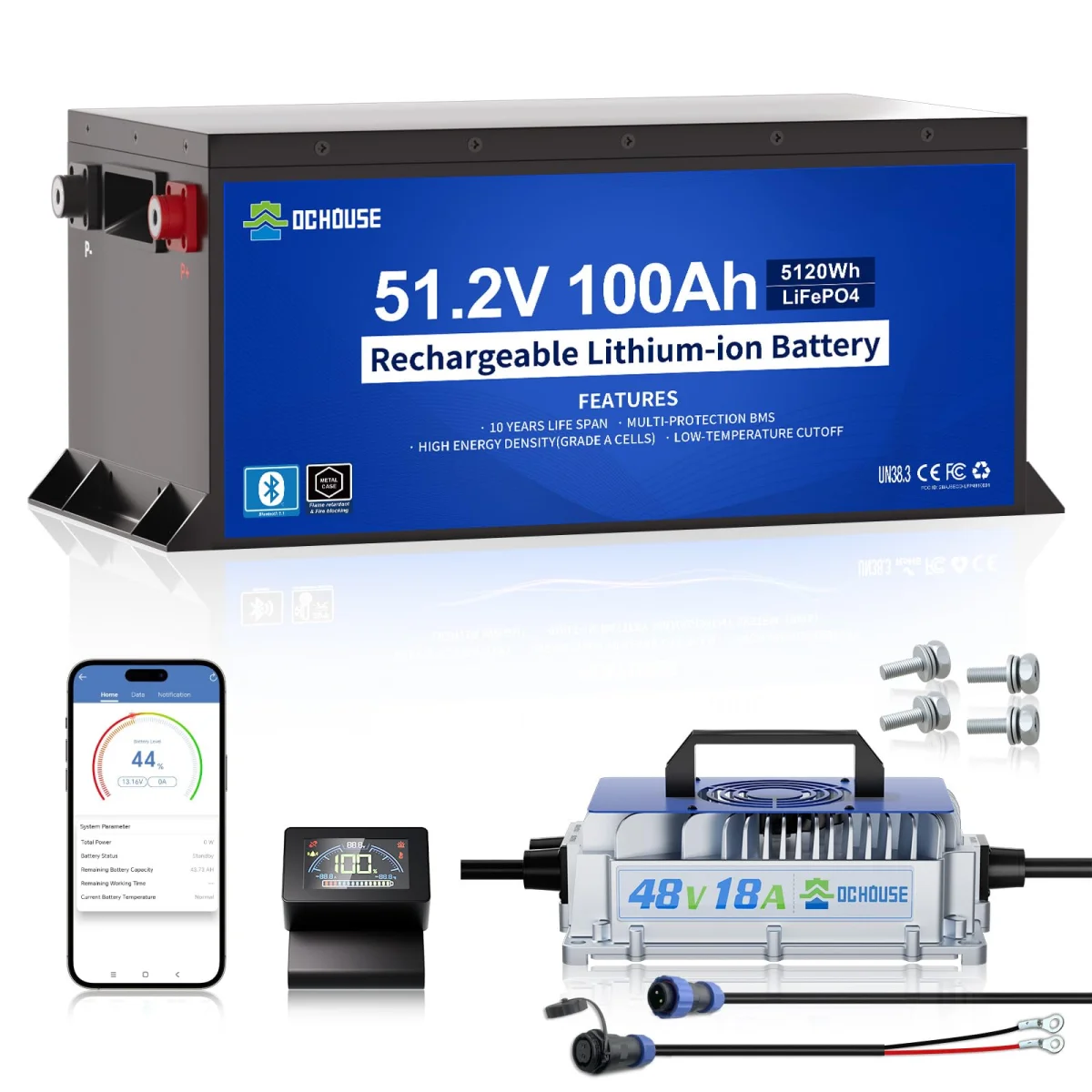
48V Lithium Conversion Batteries
Match 48V or 51.2V pack voltage, amp-hour capacity, BMS current rating, charger output, tray dimensions, cable reach, and controller limits.
Buying path
Online works best for complete LiFePO4 kits with charger, monitor, BMS specs, clear dimensions, and return support. Use a shop if the cart has regen braking, factory lithium, ERIC/OBC charging, or unknown wiring.
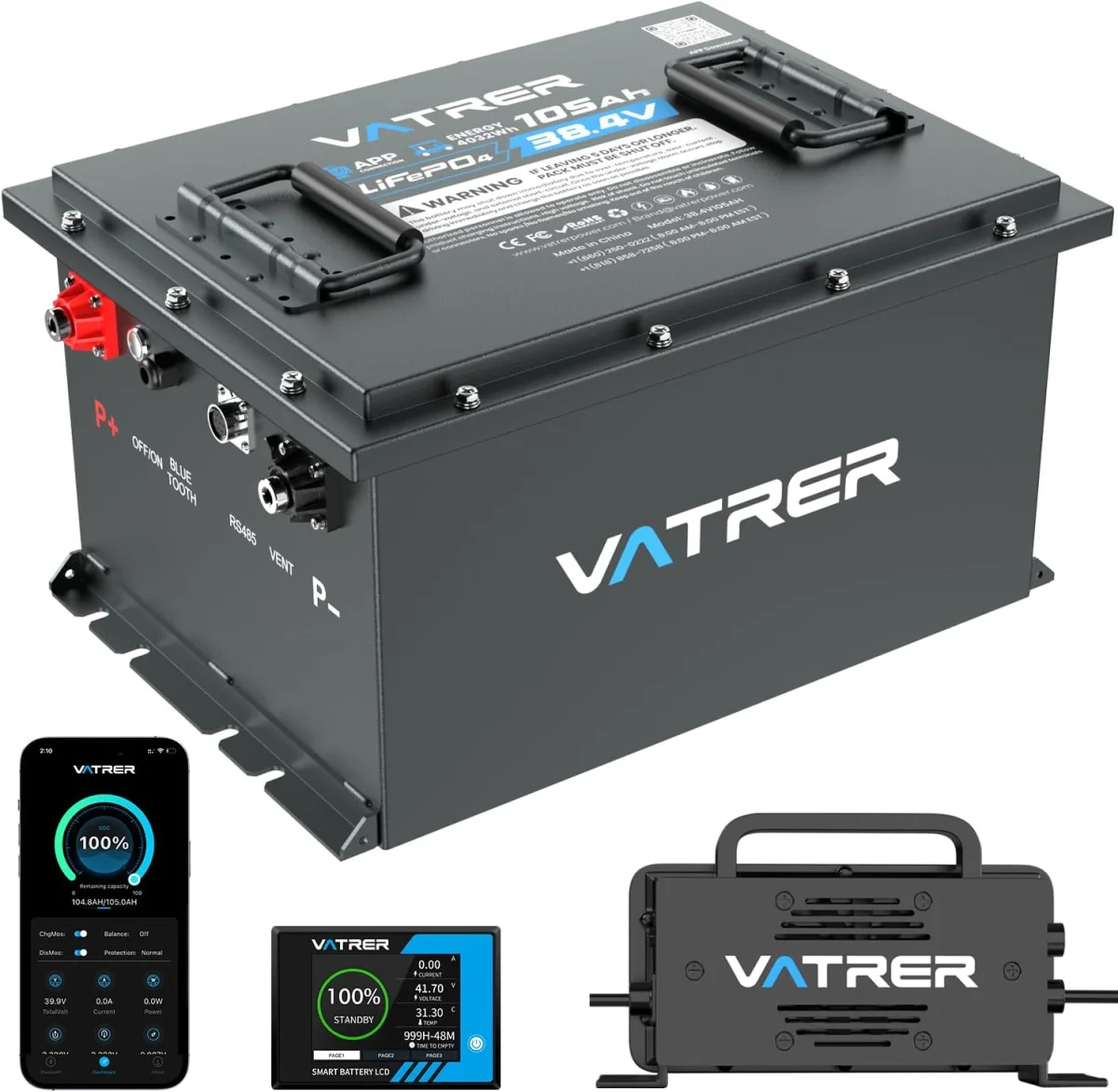
36V Lithium and Older 36V Packs
Older E-Z-GO, Club Car, and Yamaha carts may use six 6V lead-acid batteries or a 36V lithium kit. Do not turn a 36V cart into a 48V cart unless the controller, solenoid, motor, charger, and wiring are planned for it.
Buying path
Use online lithium kits only when the cart is staying 36V and the kit includes the right charger. Buy flooded 6V batteries locally when core returns, date codes, and warranty matter.
Lead-Acid 6V, 8V, and 12V Batteries
Common packs include six 6V batteries for 36V carts, six 8V batteries for many 48V Club Car setups, four 12V batteries in some 48V carts, and 12V starter batteries on gas carts.
Buying path
Buy heavy flooded lead-acid batteries locally when possible. Check date codes, core charge, warranty, terminal style, dimensions, and whether all batteries in the pack are being replaced together.
Brand-Specific Battery Fitment
E-Z-GO TXT, RXV, Club Car DS, Precedent, Tempo, Onward, Yamaha G-series, Drive/G29, and Drive2 can use different pack layouts, charger paths, lithium rules, and battery compartments.
Buying path
Use the brand parts page before ordering batteries or chargers. Brand-specific charging systems can make a generic 36V or 48V answer wrong.
Battery Meters, Testers, and Diagnostics
Match meter voltage range, lead-acid or lithium behavior, shunt requirements, display location, and whether the cart already has a factory state-of-charge system.
Buying path
Amazon is useful for multimeters, hydrometers, monitors, shunt meters, and simple diagnostic tools. Use a shop for load testing, BMS faults, controller faults, and repeated pack shutdowns.
Cables, Terminals, Watering, and Maintenance
Battery cables, terminals, watering systems, protectants, and cleaning tools depend on cable gauge, ring size, pack layout, terminal type, flooded lead-acid access, and corrosion level.
Buying path
Online works well for cable kits, terminal brushes, hydrometers, filler bottles, terminal protector, dielectric grease, and some watering systems. Replace swollen, leaking, or mismatched batteries before dressing up the terminals.
Six 8V batteries commonly make one 48V pack
8-Volt Golf Cart Batteries: What to Check Before Buying
An 8V label confirms only the voltage of one battery. It does not prove the battery fits your cart, matches the other batteries, or works with the charger. Use these checks before replacing one battery or ordering a complete six-pack.
Confirm a six-battery 48V layout
Six 8V batteries add up to a 48V pack, but a 48V cart can also use eight 6V batteries, four 12V batteries, or one lithium pack. Read every label and count the batteries before buying.
Match the whole replacement set
Compare battery age, capacity, brand, date code, and tested condition across the pack. One new 8V battery in an older weak series pack can create imbalance, so test first and replace a matched set when several batteries are worn.
Measure the tray and terminals
Check case dimensions, terminal style and orientation, hold-downs, cable reach, amp-hour rating, and the battery maker's fitment data. Do not assume every battery marketed as 8V has the same physical fit.
Verify the charger path
Match a 48V lead-acid charge profile to the cart, battery type, plug, and charging controls. Club Car OBC or ERIC systems and other brand-specific charging paths can make a plug-compatible charger the wrong charger.
Inspect cables before installation
Replace hot, corroded, cracked, or undersized cables before they damage a new pack. Clean the tray, confirm cable routing and polarity, and torque terminals to the battery maker's specification.
Compare local support and total cost
For heavy flooded batteries, compare date codes, core charges, pack pricing, warranty handling, and local delivery or installation. The lowest single-battery price may not be the lowest complete replacement cost.
Shop Common Battery Products and Tools
Compare lithium battery kits, chargers, meters, hydrometers, watering tools, cable kits, cleaners, protectants, and diagnostic tools. For flooded lead-acid battery packs, check local date codes, core returns, and warranty support before defaulting to an online order.
48V lithium kit
DC HOUSE 48V 100Ah lithium golf cart battery
48V carts where tray dimensions, controller limits, BMS rating, and charger profile match
Confirm pack dimensions, 48V/51.2V system, peak current, charger output, cable reach, and brand-specific charging path.
48V lithium kit
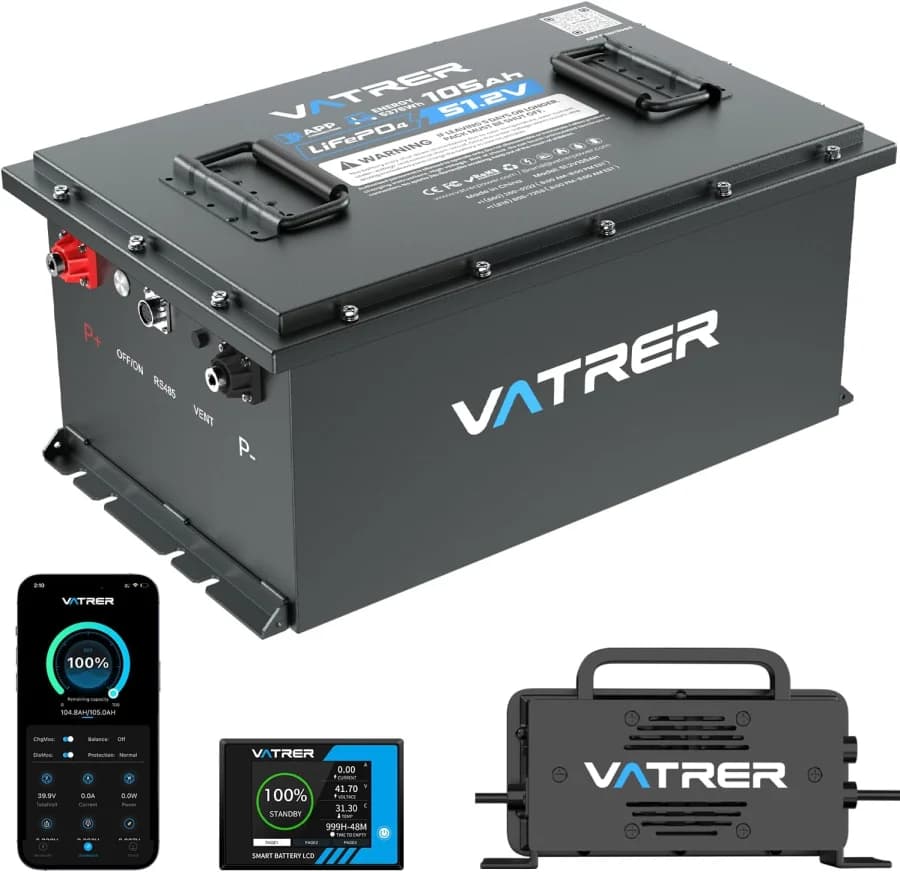
VATRER Power 48V 105Ah lithium golf cart battery
48V LiFePO4 conversion shoppers comparing 100Ah-class packs
Check charger inclusion, monitor, Bluetooth BMS, max discharge, tray space, and controller compatibility.
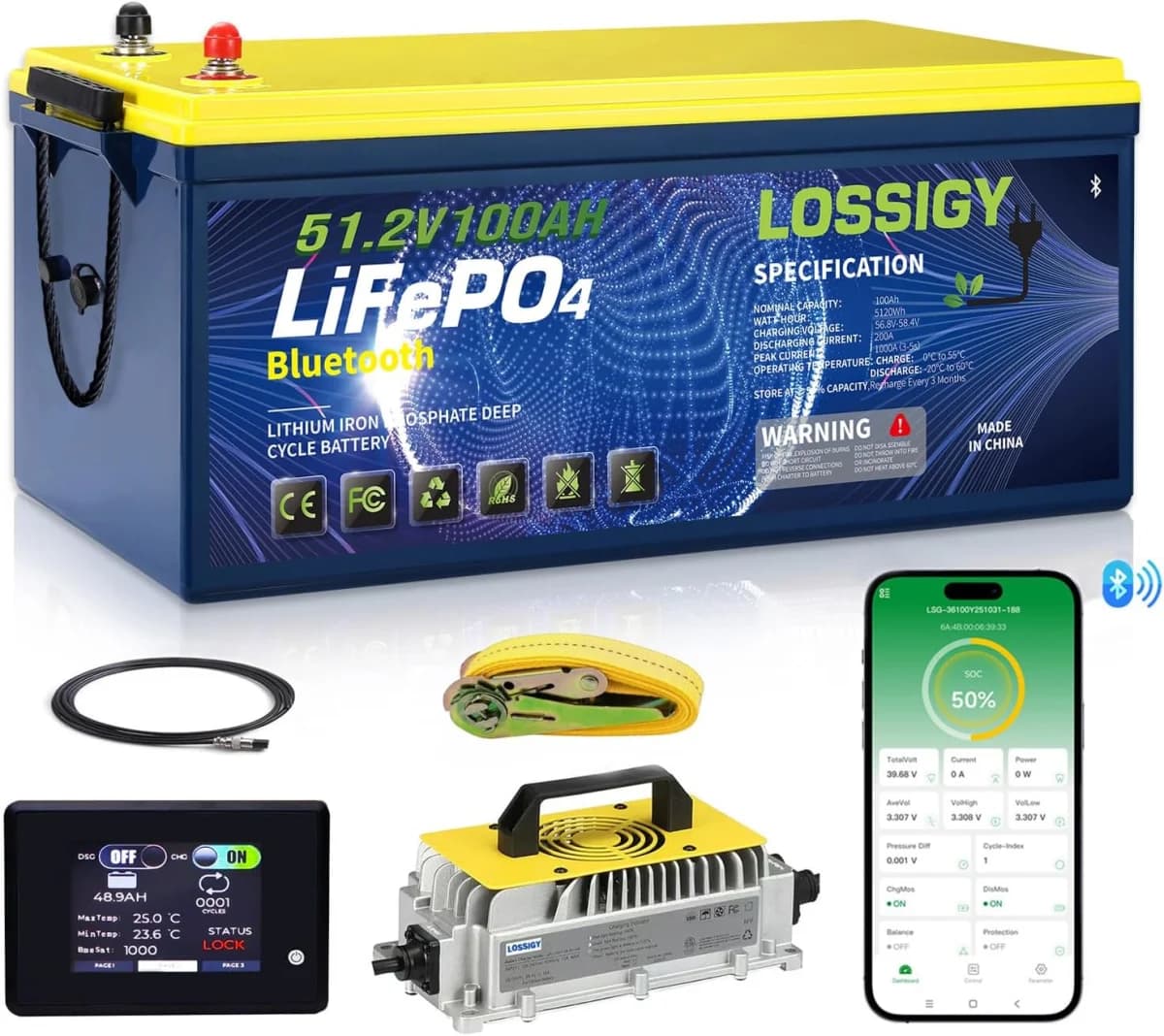
48V lithium kit
LOSSIGY 48V 100Ah lithium golf cart battery kit
48V conversion shoppers who want a battery, matched charger, display, and Bluetooth monitoring
Confirm case dimensions, 200A BMS limits, charger output, cable reach, monitor mounting, and cart controller requirements.
36V lithium kit
VATRER Power 38.4V 105Ah lithium golf cart battery
Older 36V carts staying 36V instead of becoming a full 48V conversion project
Confirm the cart is 36V, charger output is correct, cable routing reaches, and controller limits are compatible.
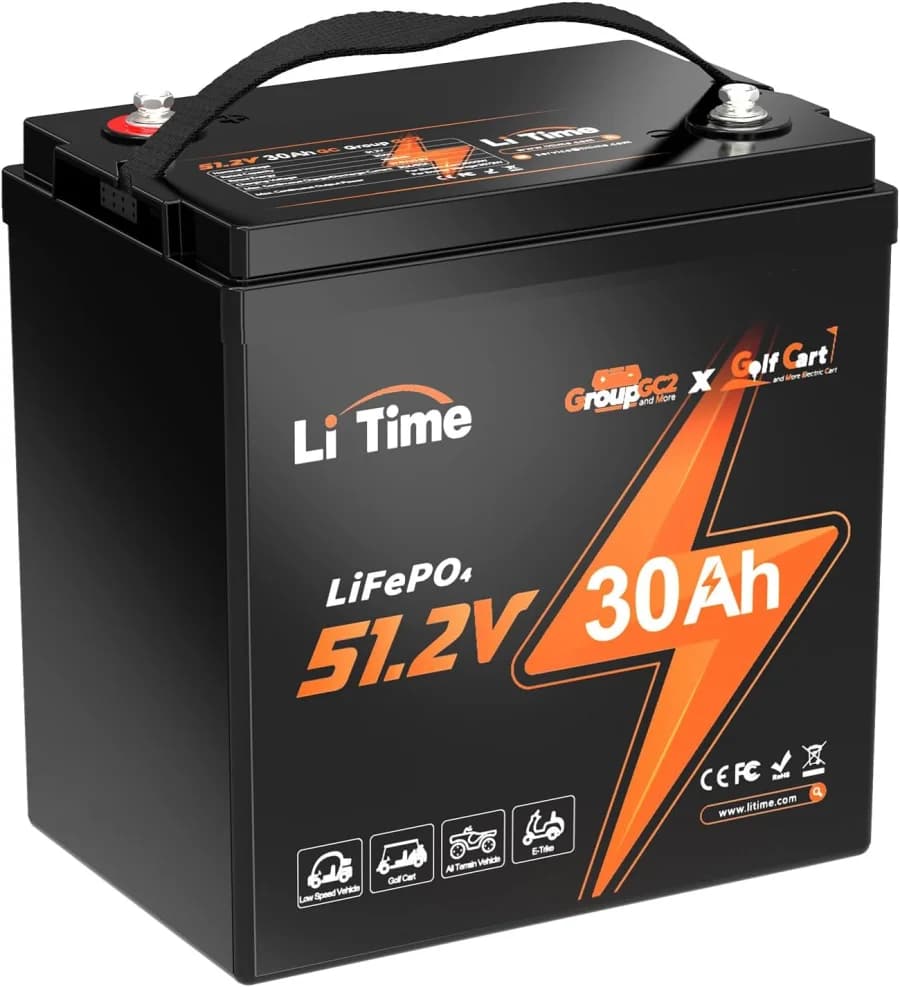
Smaller lithium pack
LiTime 51.2V 30Ah lithium golf cart battery
Light-duty 48V projects where limited amp-hours and BMS current are enough
Do not treat a small pack as equivalent to a full 100Ah cart pack. Check motor load, range needs, and BMS rating.
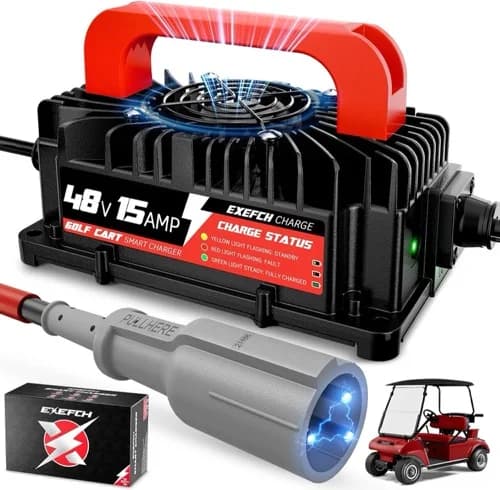
Battery charger
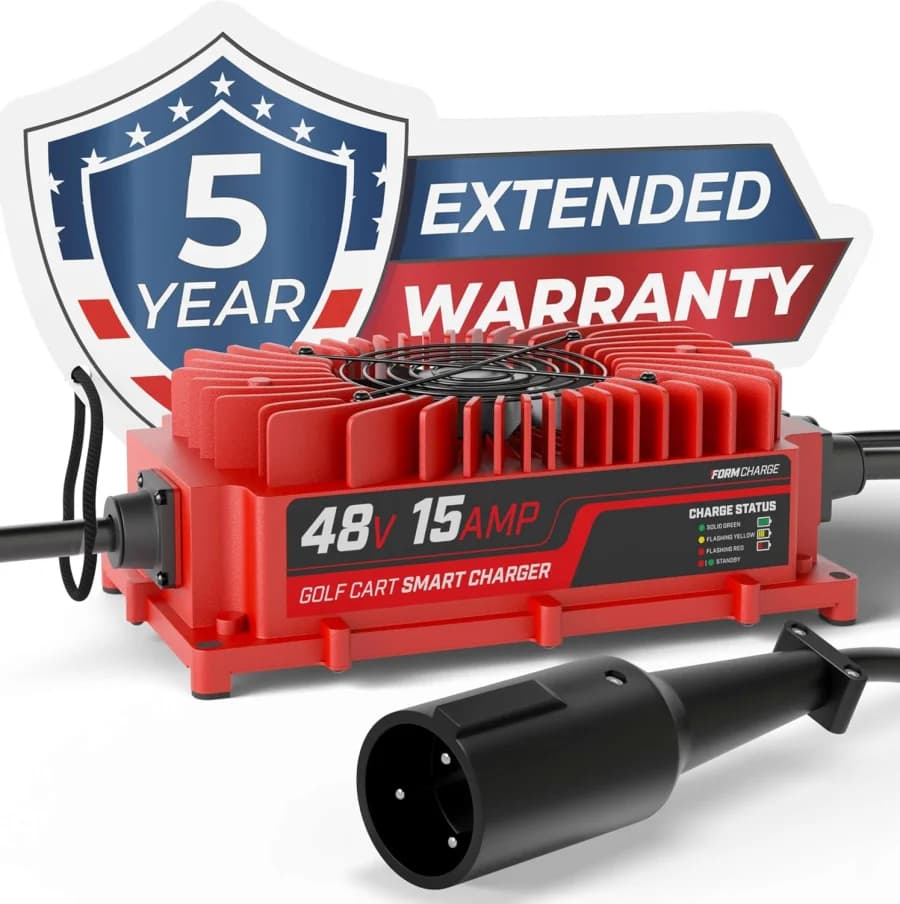
FORM 48V lithium golf cart charger
48V LiFePO4 conversions that need a standalone lithium-compatible charger
Match charger voltage, lithium profile, connector, charge current, and battery maker requirements.
Battery monitor
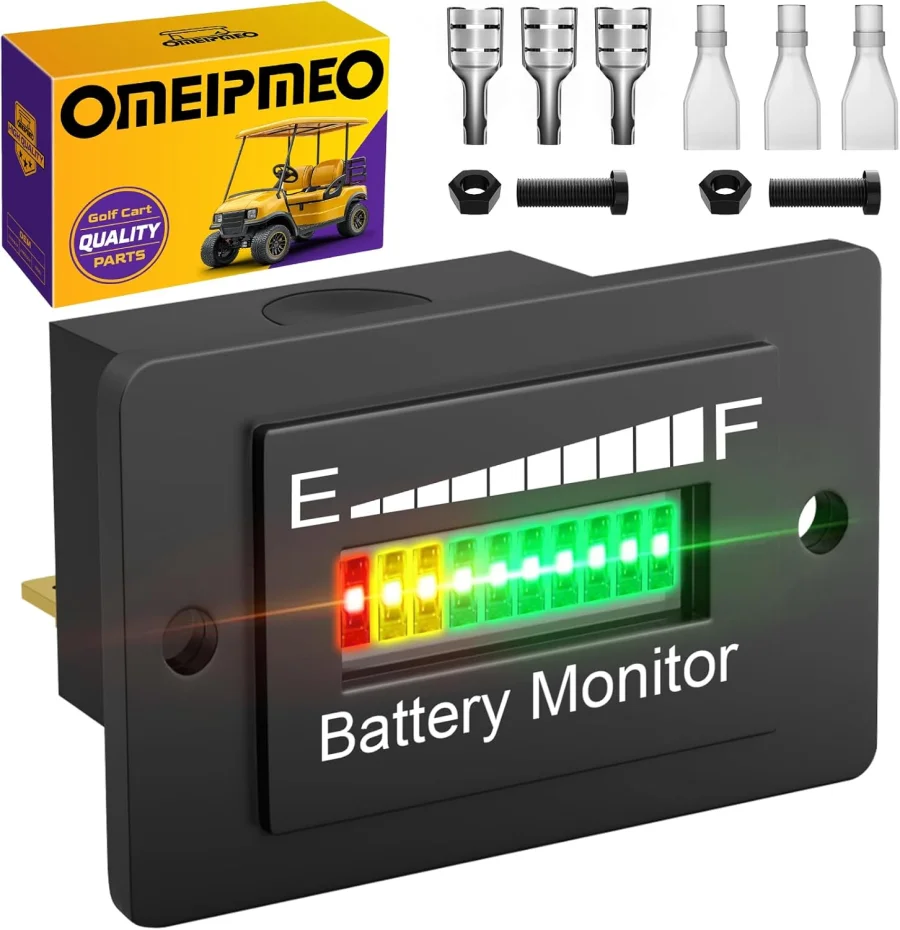
OMEIPMEO battery monitor meter
Monitoring pack voltage and state-of-charge trends after battery work
Match voltage range, shunt/display wiring, lead-acid versus lithium behavior, and mounting location.
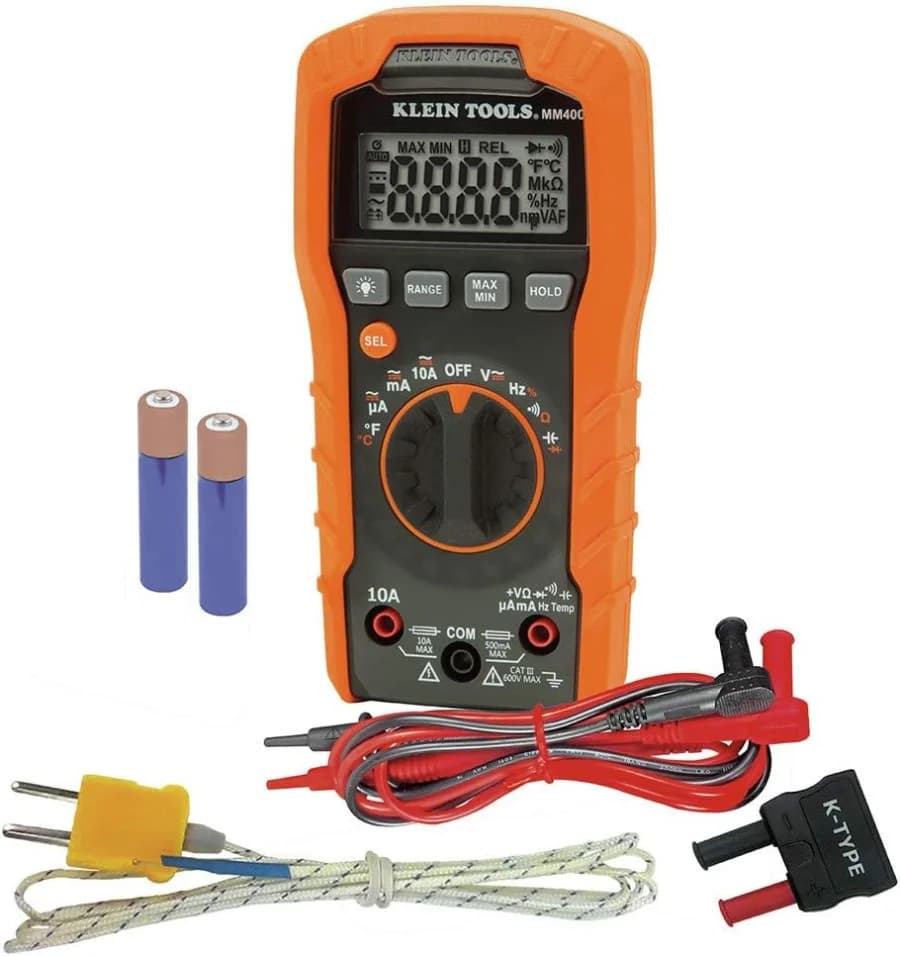
Multimeter
Klein Tools MM400 digital multimeter
Testing pack voltage, individual batteries, charger output, cables, and accessory wiring
Use DC voltage mode and safe probe handling. A multimeter is a first-pass test, not a full load test.
Hydrometer
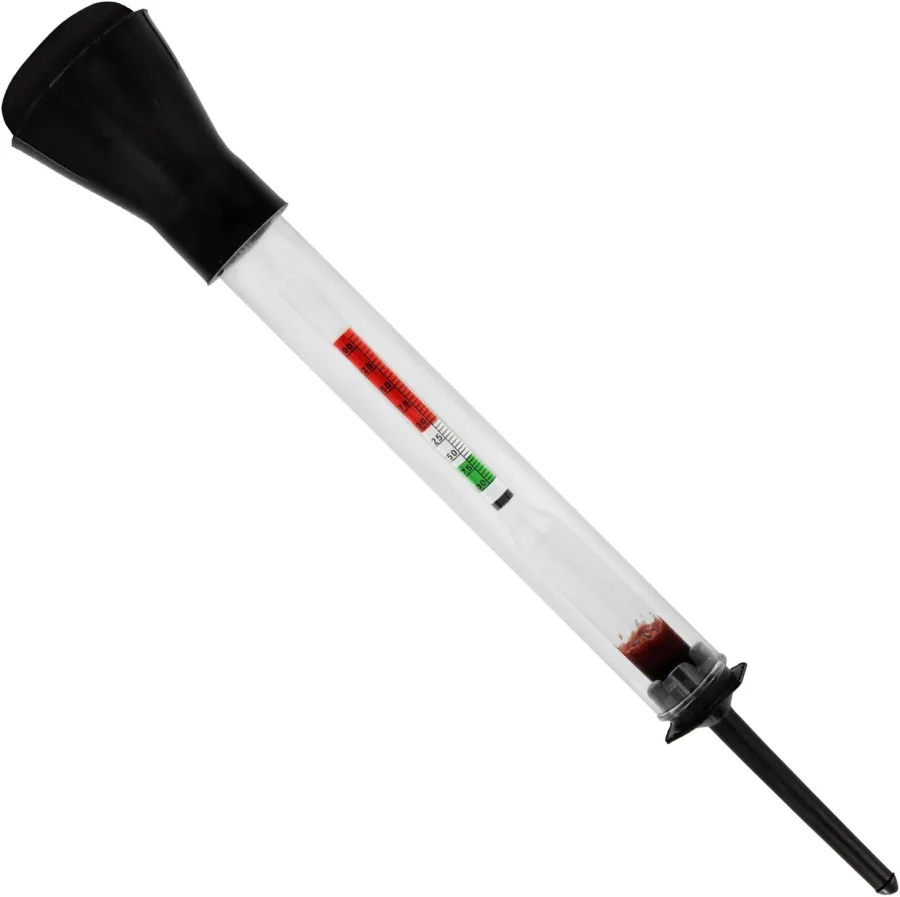
Battery hydrometer for flooded lead-acid batteries
Checking specific gravity on flooded 6V, 8V, or 12V lead-acid batteries
Only use on flooded batteries with removable caps. Do not use on AGM, sealed, or lithium batteries.
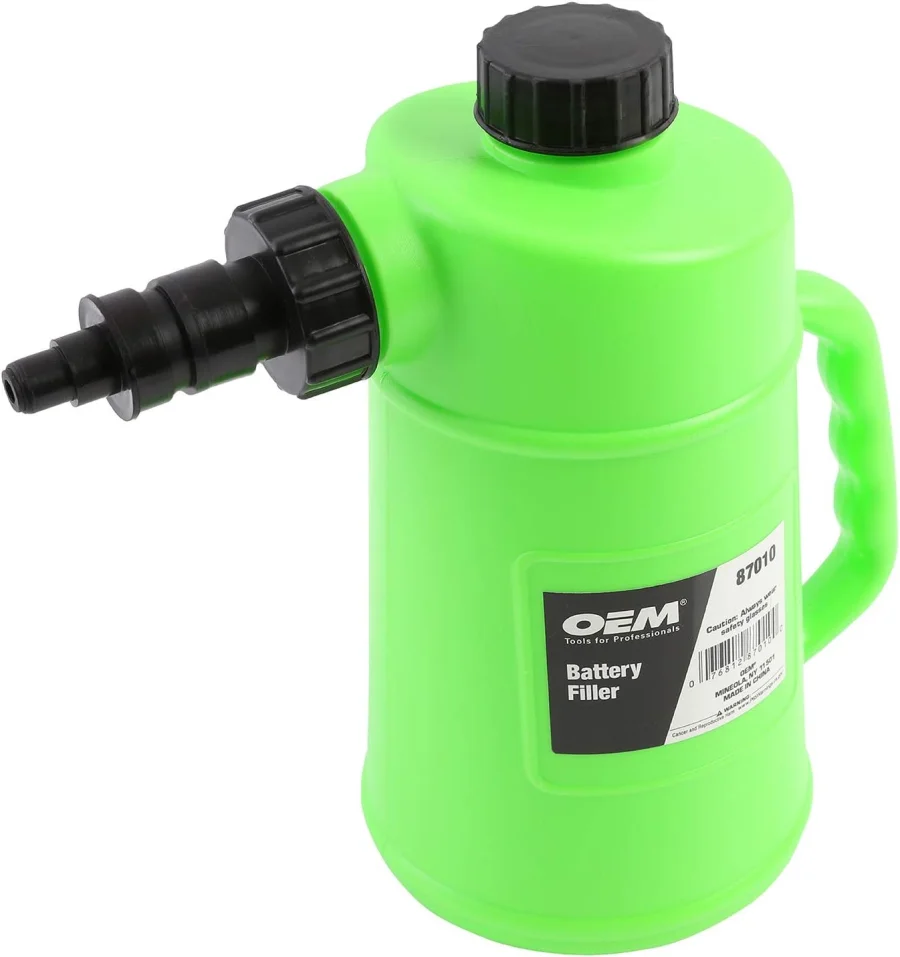
Watering tool
OEMTOOLS battery filler bottle
Adding distilled water to flooded lead-acid batteries with less spill risk
Use only after charging unless the plates are exposed. Fill to the correct level, not to the cap.
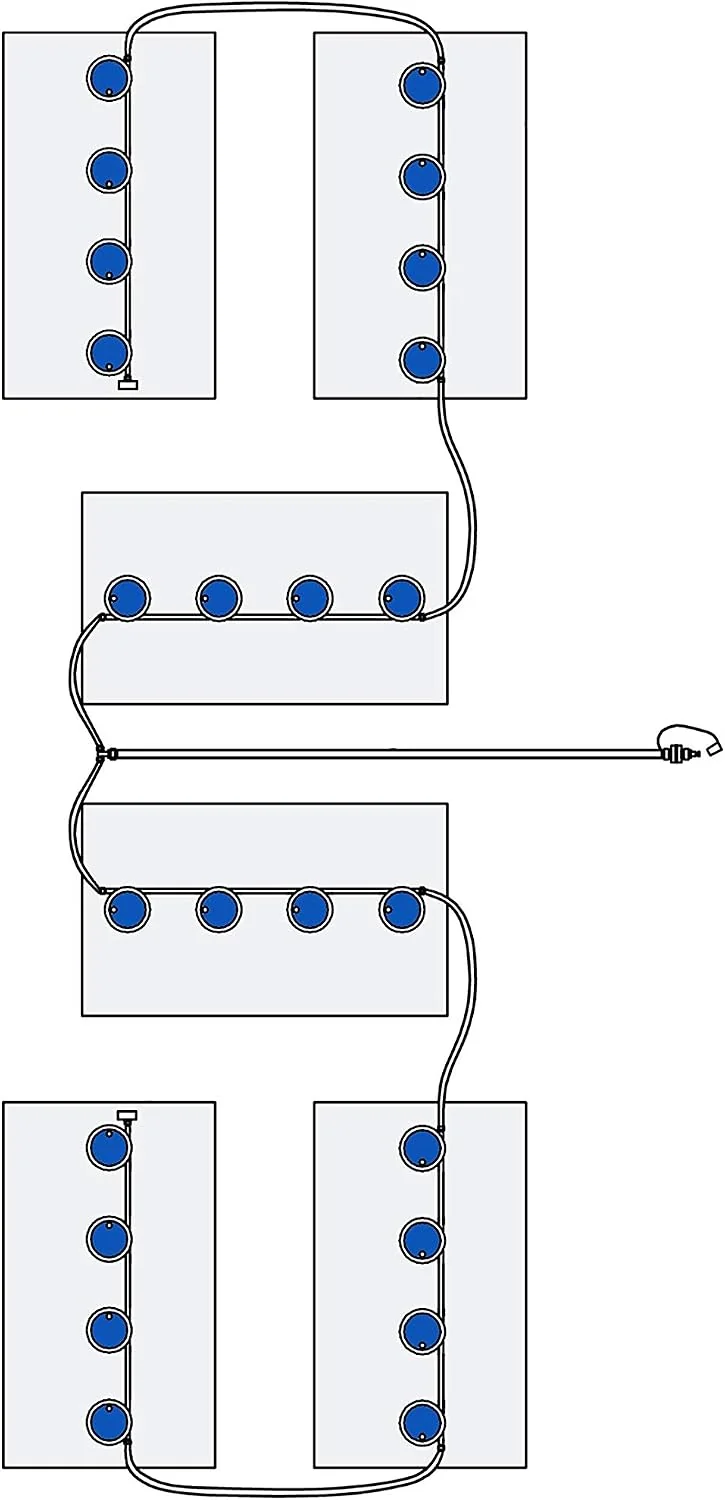
Watering system
Water My Battery Club Car watering system
Club Car Precedent and Onward carts with six compatible 8V flooded lead-acid batteries
Not for lithium, AGM, or other pack layouts. Confirm battery brand, cap spacing, connector, and whether a pump is included.
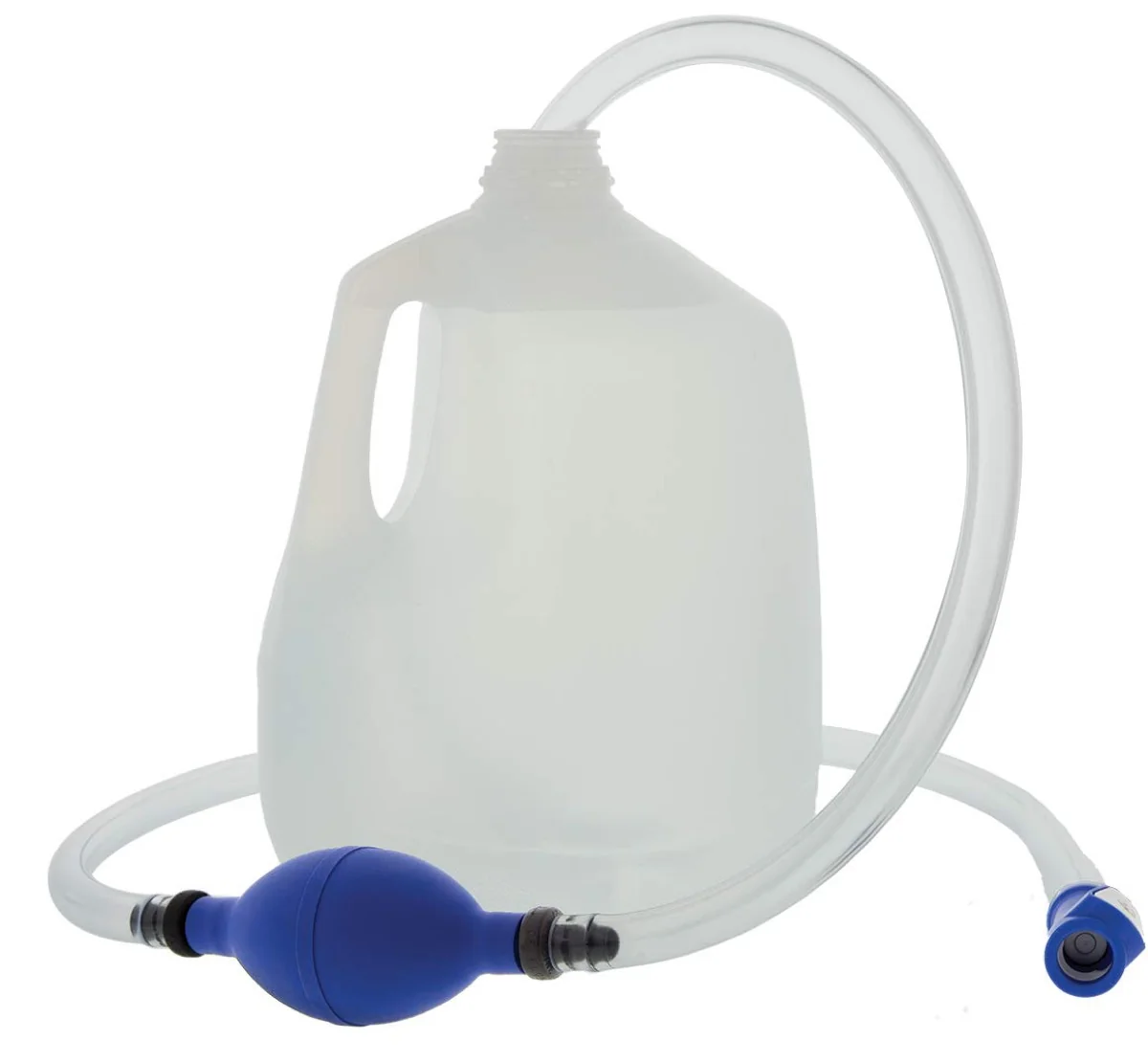
Watering-system pump
Water My Battery manual pump
Water My Battery and Battery Watering Technologies systems with the matching blue connector
This is a supply pump, not an onboard watering kit or cell-by-cell filler. Confirm the blue connector before buying.
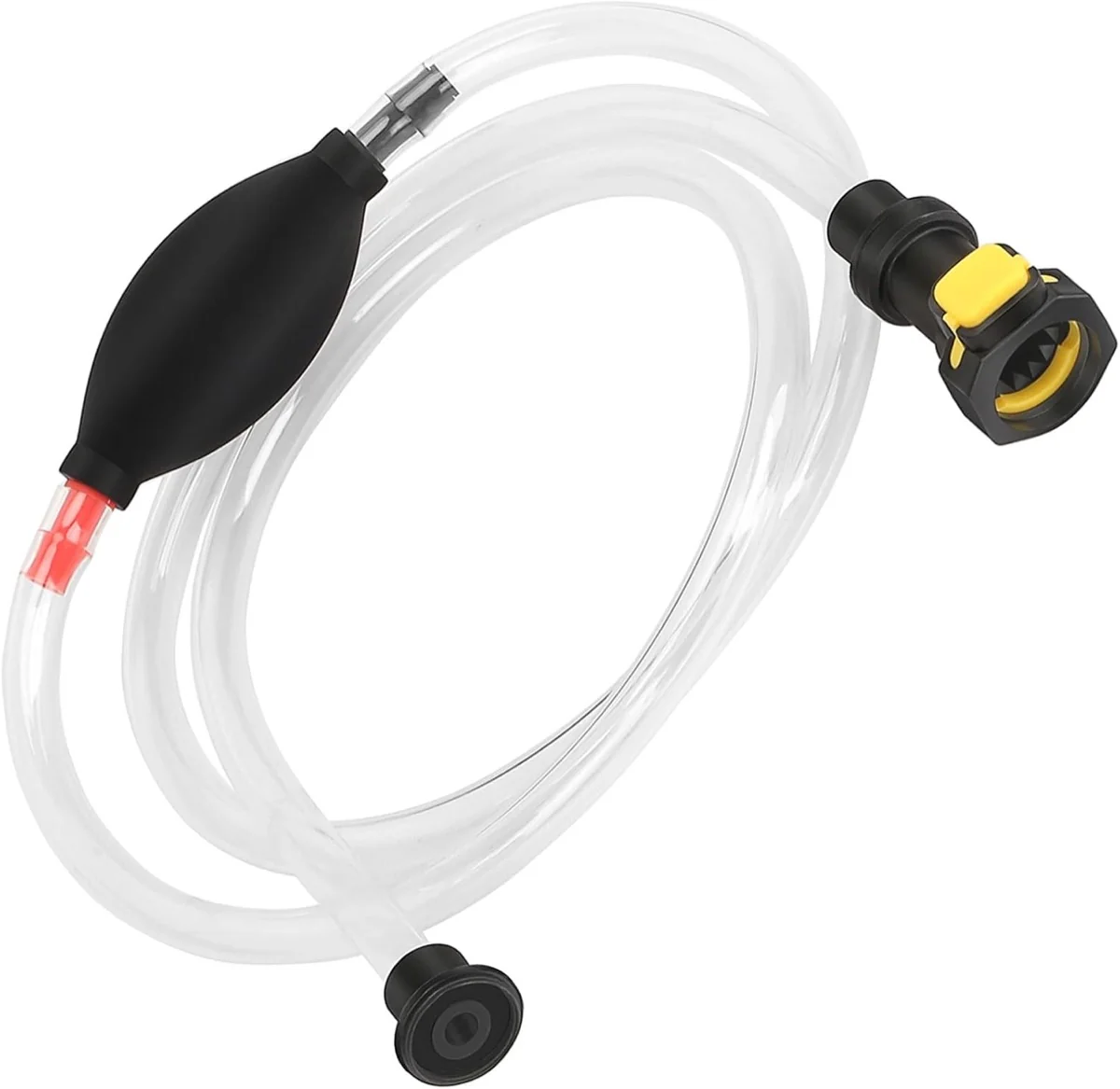
Watering-system pump
Micacia HydroLink and Flow-Rite hand pump
Existing Trojan HydroLink, Flow-Rite Pro-Fill, Millennium Plus, or Qwik-Fill systems with a matching connector
This is a supply pump, not a watering kit. Compare the quick connector with the installed system before buying.
Cable kit
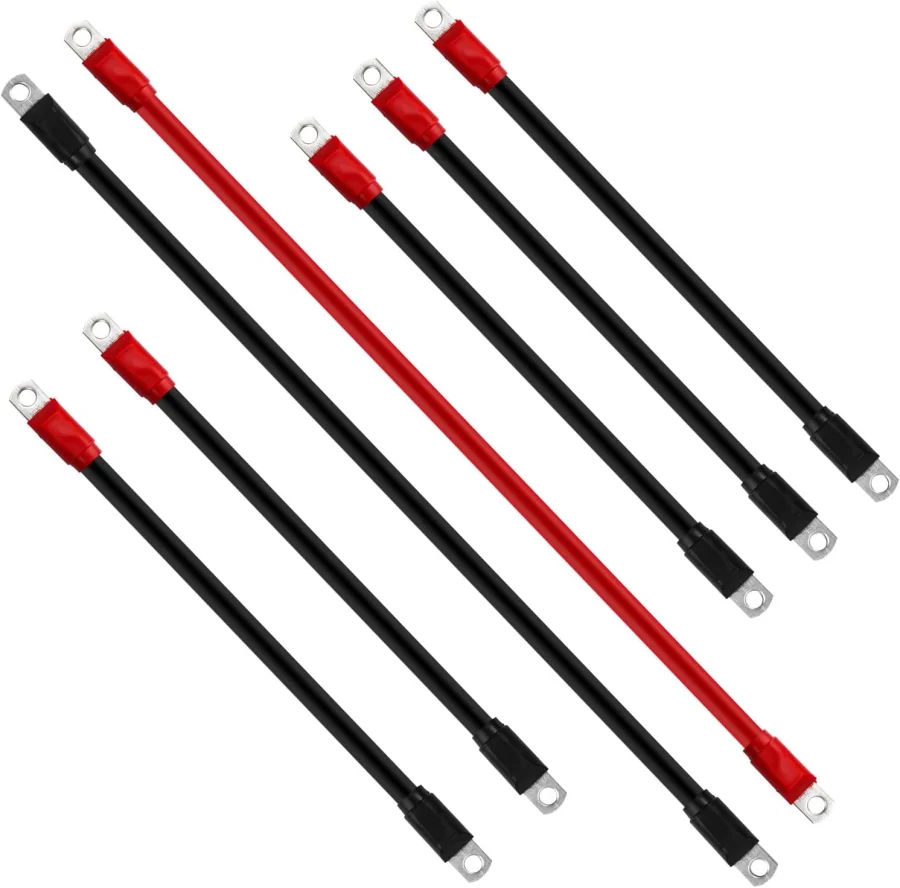
Seven-piece golf cart battery cable kit
Replacing corroded or undersized cables when all seven cable lengths match the pack
This is not model-specific. Match all cable lengths, gauge, lug size, pack layout, model year, and whether the cart is 36V or 48V.
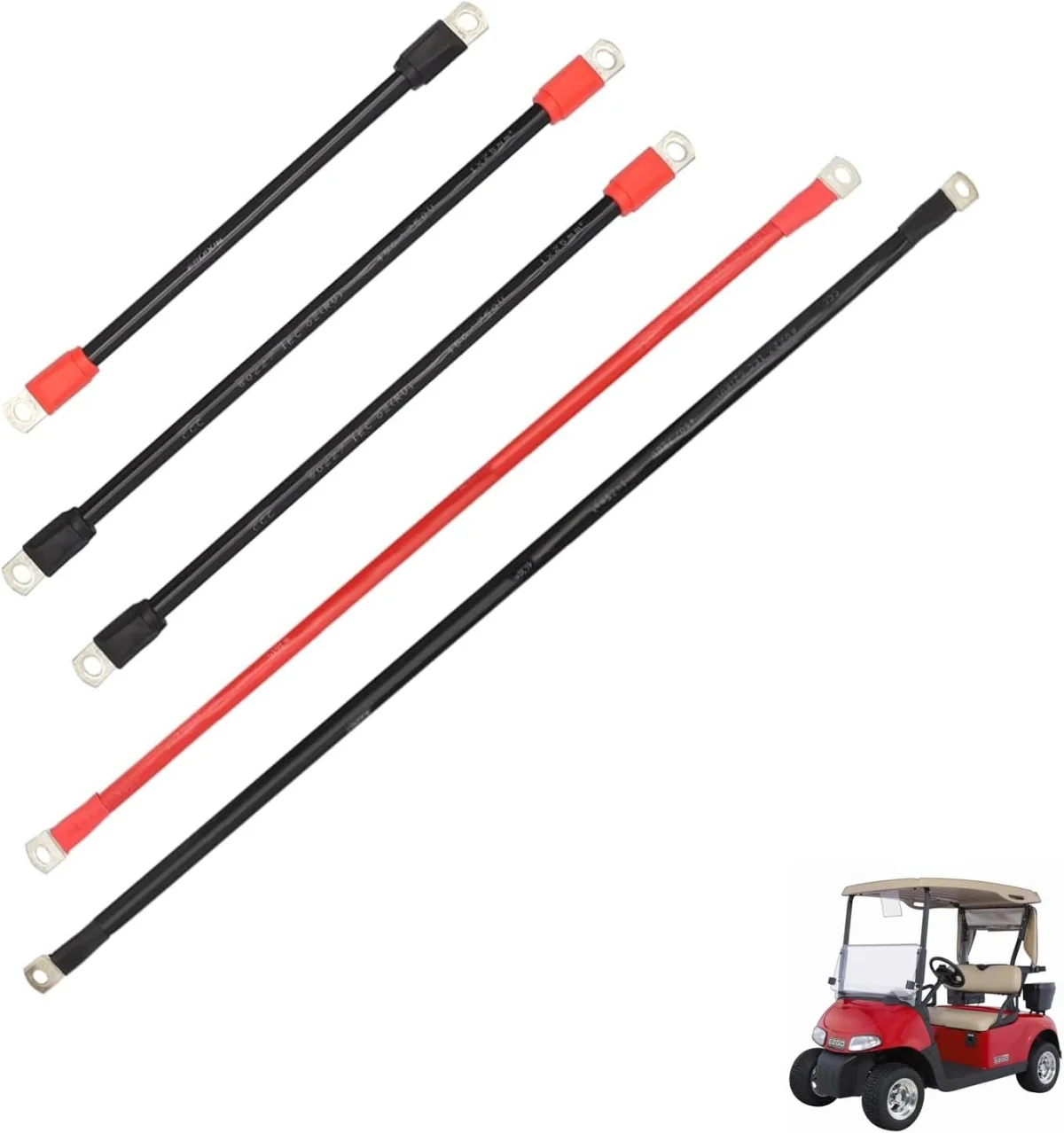
Cable kit
DRIVE UP E-Z-GO RXV 2-gauge battery cable kit
Replacing worn battery cables on compatible E-Z-GO RXV carts
Match RXV model, cable gauge, ring terminal size, pack layout, and routing before ordering.
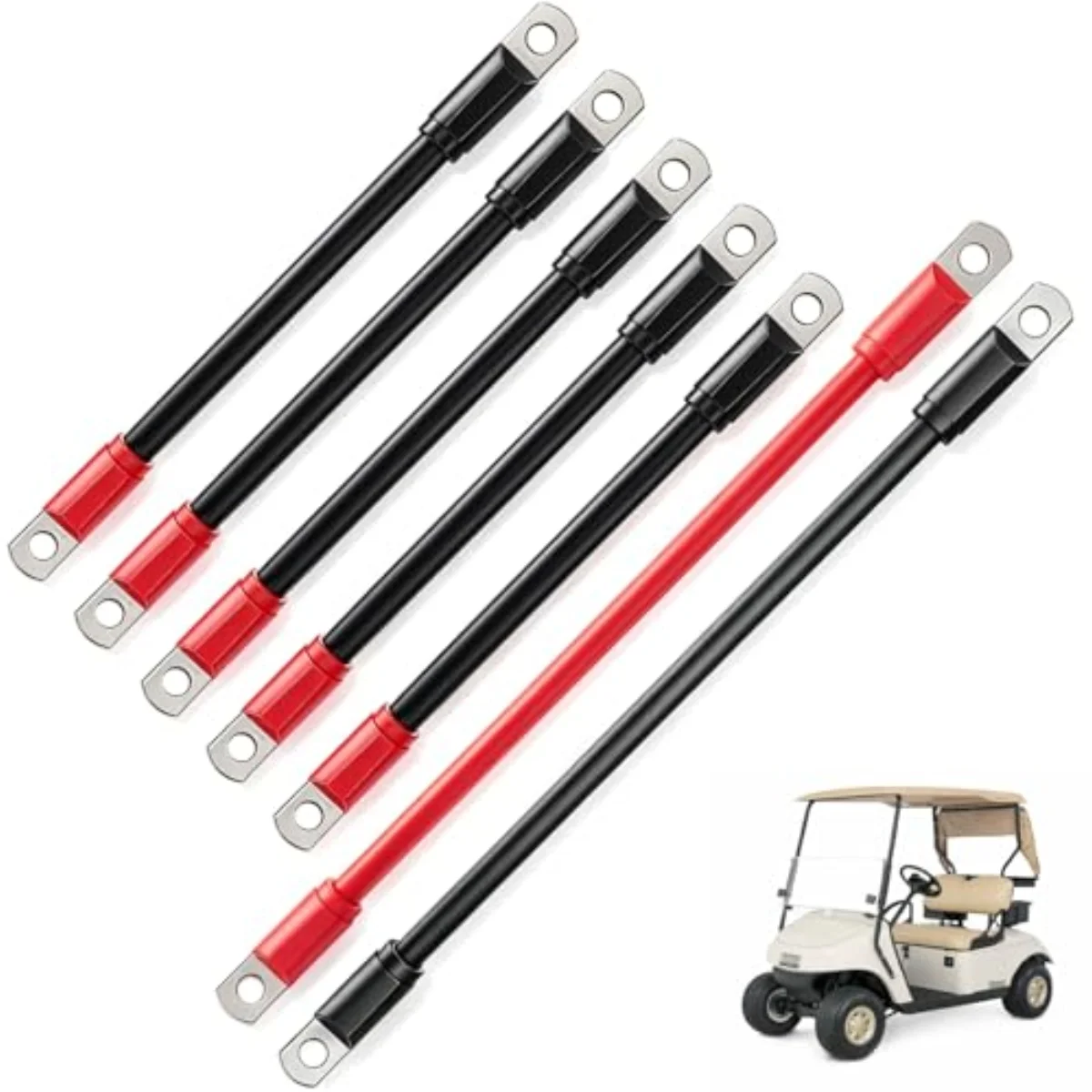
Cable kit
DRIVE UP E-Z-GO TXT 4-gauge battery cable kit
Replacing worn battery cables on compatible 1994-up E-Z-GO TXT and Medalist carts
Confirm model year, seven-cable pack layout, ring terminal size, cable routing, and 36V or 48V compatibility before ordering.
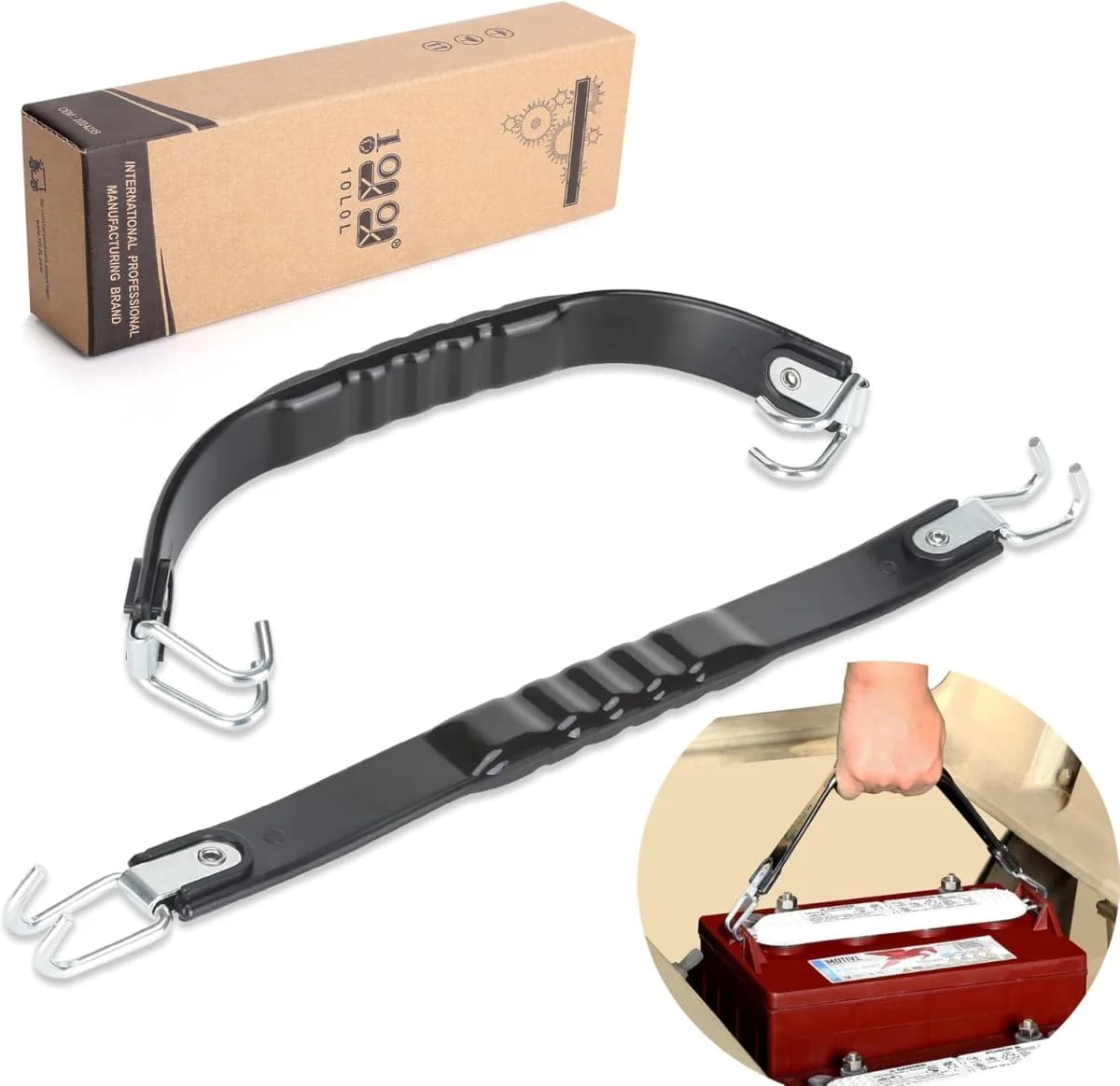
Battery lift strap
10L0L golf cart battery lifting strap
Removing and installing heavy flooded batteries with better control
Use proper lifting technique and eye protection. Lead-acid batteries are heavy and can leak acid.
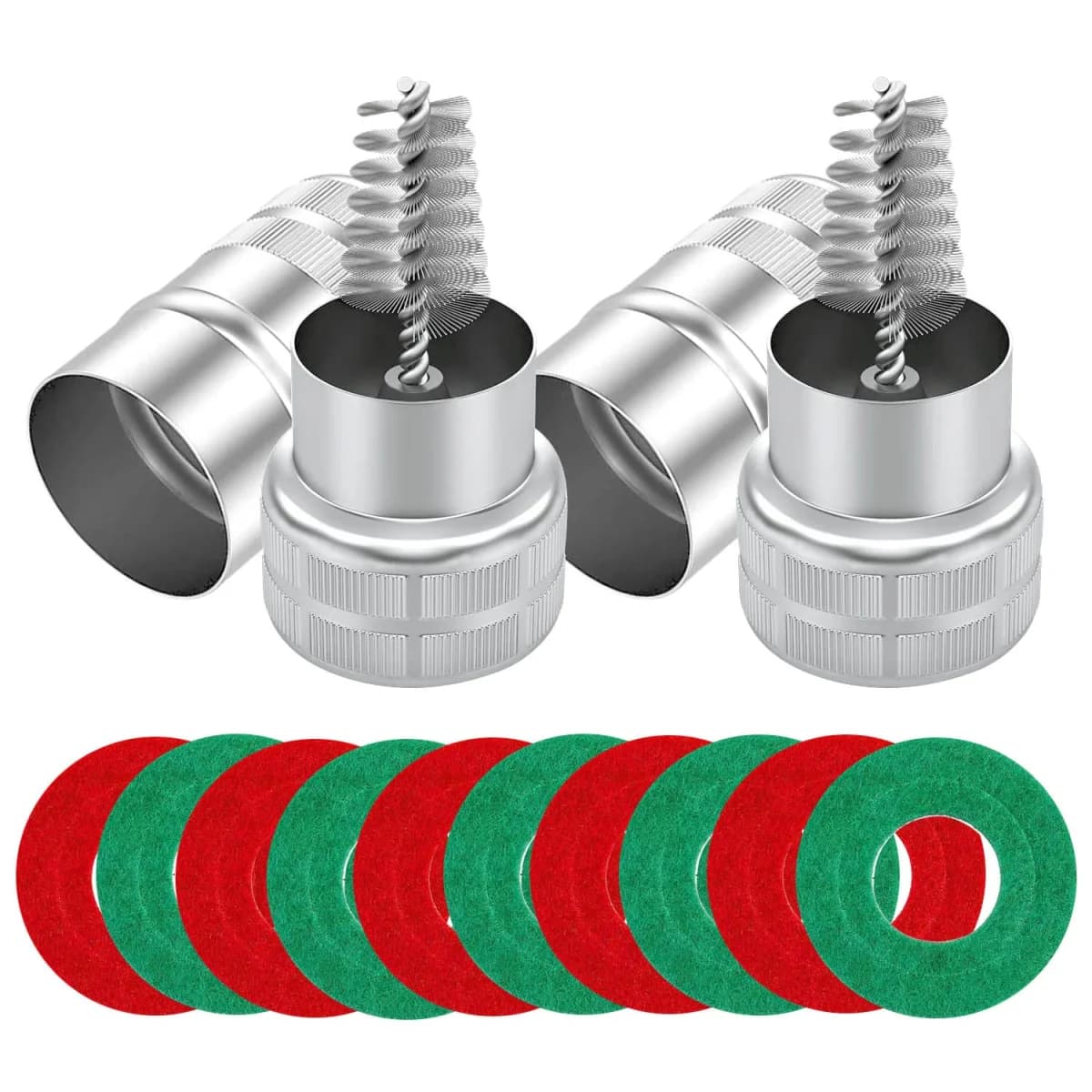
Terminal brush
Battery terminal cleaner kit
Cleaning corrosion from battery posts and cable terminals before reconnecting
Clean with the pack safely disconnected. Replace cables if corrosion has traveled under the insulation.
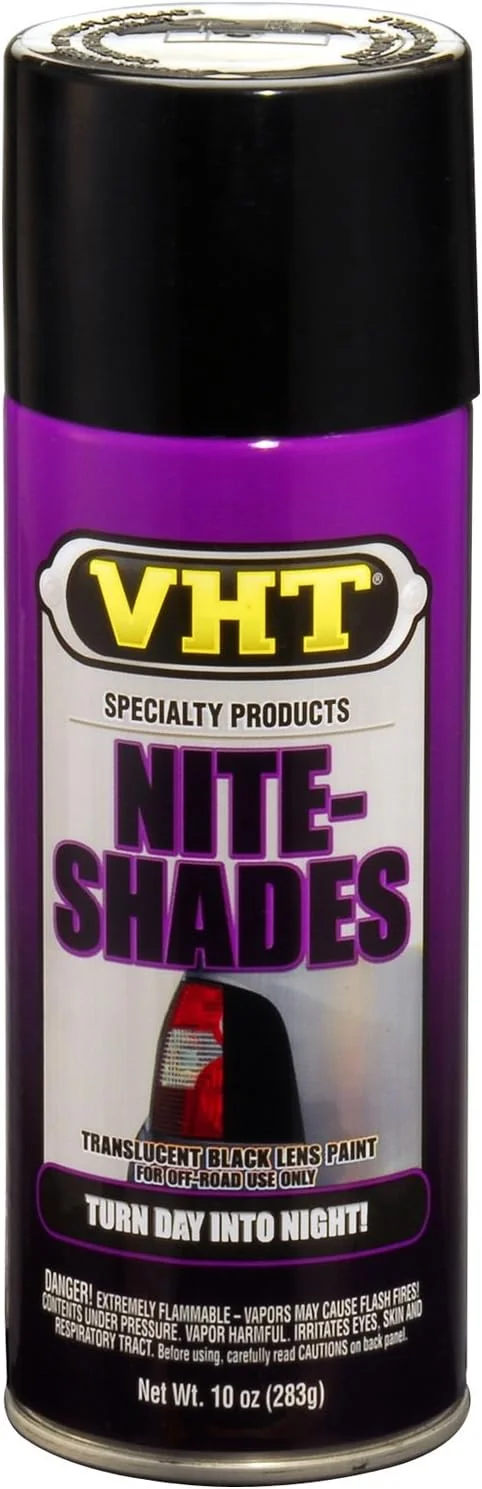
Battery cleaner
CRC battery cleaner
Cleaning corrosion from flooded lead-acid battery tops, terminals, and trays
Use after disconnecting safely. Heavy corrosion may indicate overfilling, loose cables, or failing batteries.
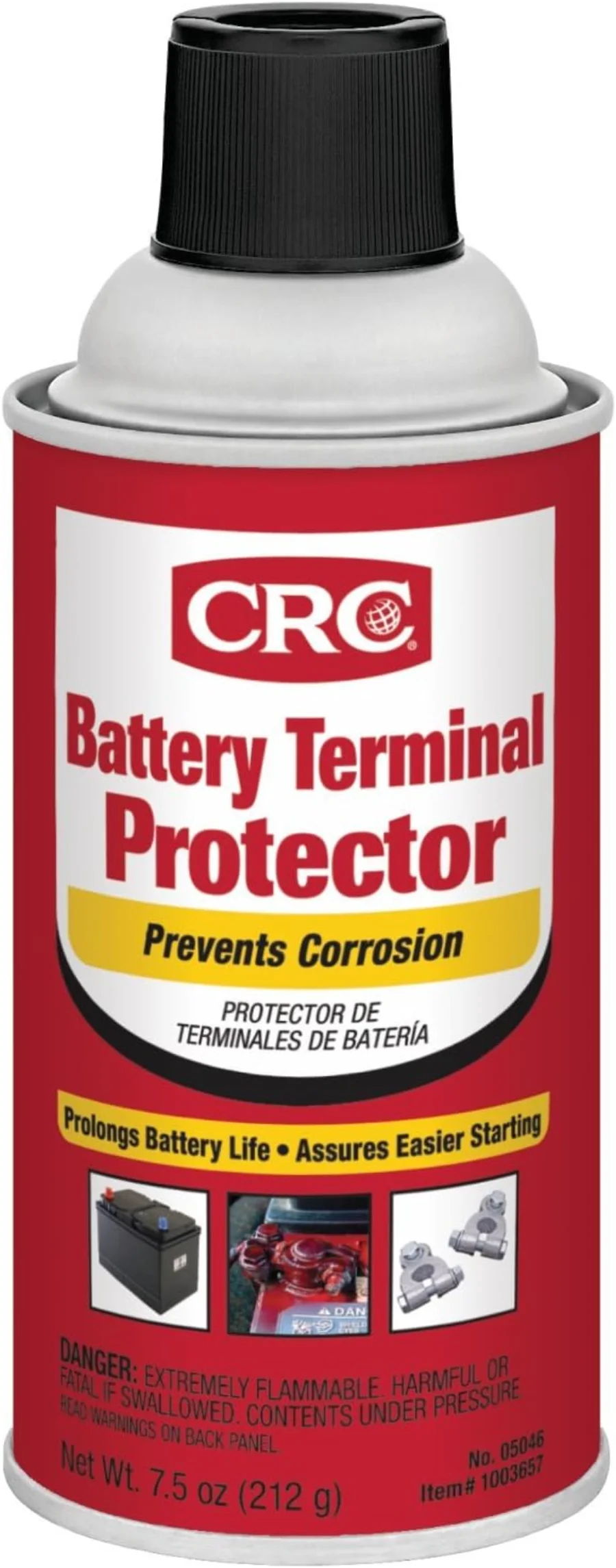
Terminal protector
CRC battery terminal protector
Protecting clean lead-acid battery terminals after service
Apply after terminals are clean, dry, tight, and inspected. It will not fix loose or damaged cables.
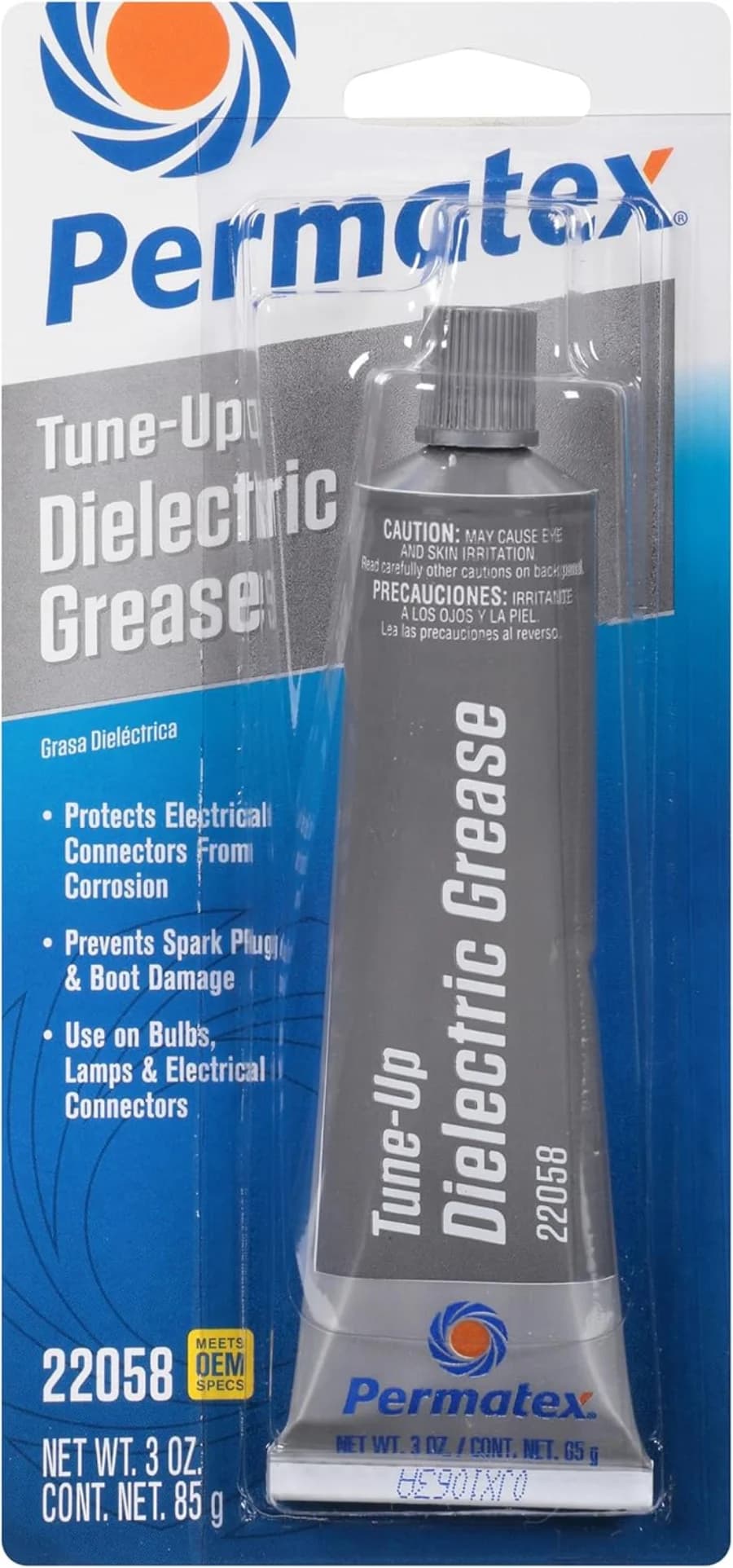
Dielectric grease
Permatex dielectric grease
Protecting accessory connectors, meter wiring, and low-current electrical connections
Use carefully. High-current battery cable connections still need clean metal-to-metal contact and proper torque.
Charger check
FORM 48V charger for Club Car DS and Precedent
48V Club Car owners replacing batteries and confirming charger compatibility
Confirm lead-acid chemistry, OBC status, round plug, and whether the cart needs an OBC-compatible or bypass setup.
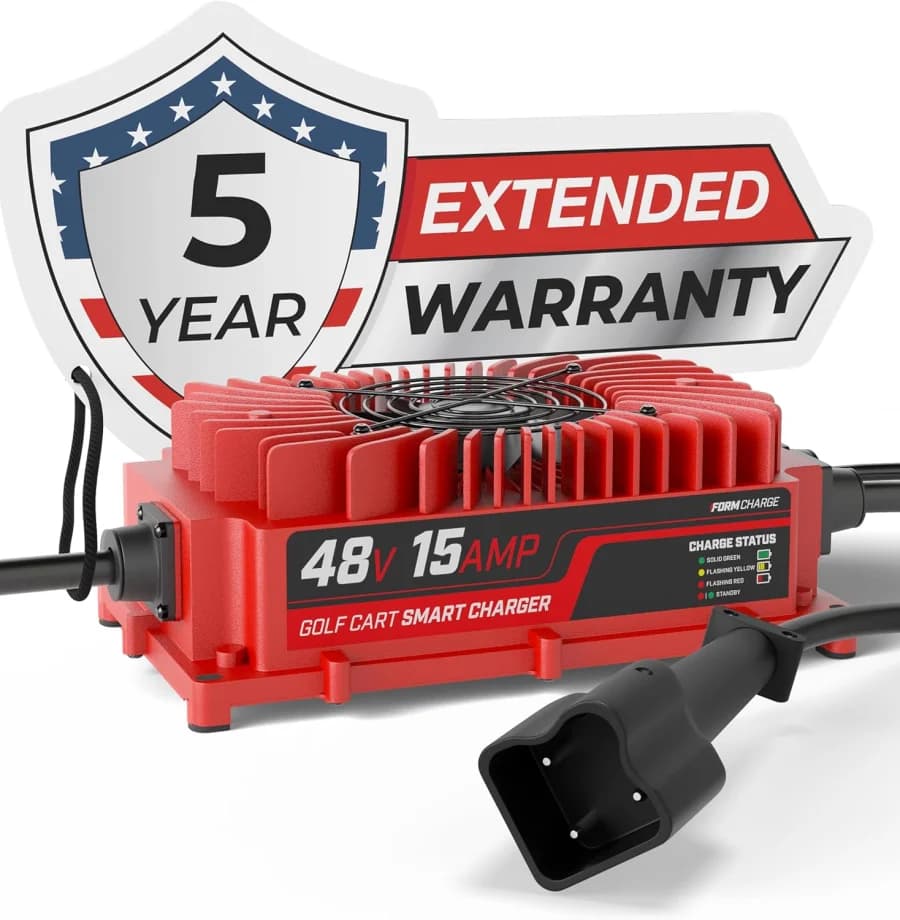
Charger check
FORM 48V Yamaha G29 and Drive2 charger
Yamaha owners replacing batteries and matching the charger plug and profile
Confirm G29/Drive or Drive2 fitment, 48V lead-acid pack, charger plug, and battery chemistry.
Where to Buy Golf Cart Batteries
Battery buying depends on weight, chemistry, warranty, date codes, core return, and diagnostic risk. Use the path that matches the battery job.
Buy lithium kits online when specs are clear
Online works for LiFePO4 kits with dimensions, BMS rating, charger profile, monitor, warranty, and return terms that match your cart.
Buy flooded lead-acid packs locally when possible
Local battery dealers and golf cart shops help with date codes, core returns, warranty support, heavy pickup, and full-pack matching.
Use a shop for uncertain charging or no-move issues
If the cart has ERIC/OBC charging, factory lithium, regen braking, unknown wiring, or repeated shutdowns, diagnose before buying batteries.
Battery Fitment Checklist
The expensive mistake is buying a battery before proving the voltage, charger path, pack layout, and cable condition.
Identify pack voltage and layout
Count batteries and read labels. Six 6V batteries, six 8V batteries, four 12V batteries, one lithium pack, and gas starter batteries are different paths.
Check brand-specific charging rules
Club Car OBC/ERIC, E-Z-GO RXV regen, Yamaha charger plugs, and factory lithium systems can change what battery and charger are safe.
Match charger to chemistry
Lead-acid, AGM, gel, and lithium batteries need different charge profiles. A charger that fits the plug can still be wrong.
Record dimensions and date codes
Measure tray space, cable reach, terminal type, date codes, serial details, and charger model before ordering anything expensive.
Battery Fitment by Brand
Brand pages should catch the model-specific details. Use this table to avoid applying a generic battery answer to a cart with a special charger, controller, or factory lithium setup.
E-Z-GO TXT
Older 36V packs, 48V TXT packs, gas 12V starter batteries, and many lithium conversions
Check TXT year, 36V versus 48V, D-style or triangle charger plug, PDS/DCS/TXT48 details, and cable routing.
Open brand partsE-Z-GO RXV
48V lead-acid, ELiTE lithium, and RXV-specific control behavior
RXV carts can be more sensitive to controller, brake, regen, and lithium compatibility than TXT carts. Do not assume a TXT battery plan fits.
Open brand partsClub Car DS and Precedent
36V or 48V DS packs, 48V Precedent packs, OBC, ERIC, and lithium conversions
Check OBC status, ERIC charger, round plug behavior, six 8V battery layouts, MCOR symptoms, and whether the cart has been bypassed.
Open brand partsClub Car Tempo and Onward
48V, HP lithium, gas starter battery, and newer factory systems
Factory lithium and newer charger systems should be matched through Club Car documentation or a dealer before replacing major battery components.
Open brand partsYamaha G-series and Drive/G29
36V, 48V lead-acid, 2-pin G19/G22 chargers, G29 leaf plug, and gas starter batteries
Match G-series, G19/G22, Drive/G29, charger plug, gas/electric drivetrain, and battery tray layout.
Open brand partsYamaha Drive2
48V lead-acid, AC electric, QuieTech gas, lithium options, and newer charger paths
Drive2 battery and charger decisions should account for AC electric, lithium, gas/electric drivetrain, and exact model year.
Open brand partsBattery Compatibility Traps
Use this table when a listing looks right but does not make the voltage, chemistry, charger, or cable details obvious.
Fitment split
Same pack voltage can use different individual battery voltages and countsMistake to avoid
Buying individual batteries before confirming the full pack layout and terminal styleFitment split
48V/51.2V, 36V/38.4V, amp-hours, BMS current, charger, monitor, cable reach, and mountingMistake to avoid
Buying a lithium pack by voltage only and ignoring BMS current, tray dimensions, and charger profileFitment split
Lead-acid, AGM, gel, lithium, OBC, ERIC, plug style, onboard charger, and bypass wiringMistake to avoid
Assuming the plug shape proves the charger is correctFitment split
Gauge, lug size, cable length, pack layout, controller current, corrosion, and routingMistake to avoid
Replacing batteries while leaving hot, corroded, or undersized cables in placeFitment split
Lead-acid voltage meters, lithium monitors, shunt meters, factory gauges, and BMS app dataMistake to avoid
Trusting a dash meter without testing pack voltage and individual batteriesFitment split
12V starter battery, starter generator, voltage regulator, cables, and accessory loadsMistake to avoid
Applying electric cart pack advice to a gas cart starter battery problemDIY or Shop?
Use the install difficulty as a risk check. Battery maintenance tools are usually simple. Pack replacement and lithium conversion deserve more planning.
Easy DIY
Terminal protector, filler bottles, hydrometers, battery meters, terminal brushes, and basic voltage checks.
Moderate DIY
Battery cable kits, simple meter installs, lead-acid maintenance, and like-for-like charger replacement.
Plan carefully
Full lead-acid pack replacement, lithium conversion kits, tray modifications, charger swaps, and BMS monitor wiring.
Use a shop
ERIC/OBC faults, factory lithium, regen braking issues, controller faults, repeated shutdowns, and unclear wiring.
Useful Battery Guides Before Buying
These pages help confirm the pack, symptoms, charger, wiring, and conversion risk before you spend money on batteries.
Best Golf Cart Batteries Guide
Compare lithium, lead-acid, AGM, cost, lifespan, replacement timing, and maintenance tradeoffs.
Open guideLithium Battery Conversion Guide
Use this before converting a 36V or 48V cart from lead-acid to lithium.
Open guideBattery Voltage Chart
Check rested pack voltage, individual battery voltage, and signs of a weak battery.
Open guideBattery Cable Size Guide
Confirm cable gauge, lug size, corrosion symptoms, and replacement timing before installing a new pack.
Open guideGolf Cart Parts Near Me
Find local battery, parts, and accessories providers for pickup, core returns, and fitment help.
Open guideGolf Cart Repair Near Me
Find local repair shops for battery load testing, lithium conversion issues, charger faults, and mobile service.
Open guideGolf Cart Batteries FAQ
How do I know which golf cart batteries fit?
Match the cart voltage, pack layout, battery tray size, cable length, charger profile, controller limits, and battery chemistry. A 36V cart, 48V lead-acid cart, 48V lithium conversion, and factory lithium cart can need different batteries, chargers, cables, and meters.
Can I replace just one golf cart battery?
Usually no. Replacing one weak lead-acid battery inside an older pack often causes the new battery to work against the older batteries. If the pack is more than a couple years old, replace the full set or have the pack professionally tested before mixing batteries.
Are lithium golf cart batteries worth it?
Lithium is often worth it for frequent-use carts because it saves weight, charges faster, needs less maintenance, and usually lasts longer. The install still needs the right voltage, BMS rating, charger, mounting, cable size, and brand-specific checks.
Should I buy lead-acid golf cart batteries online?
For flooded lead-acid packs, local battery dealers, golf cart shops, warehouse clubs, and auto parts stores are often better than parcel-shipped listings because the batteries are heavy, date codes matter, core returns matter, and local warranty support is useful.
What golf cart battery tools should I buy first?
Start with a digital multimeter, hydrometer for flooded lead-acid batteries, battery terminal cleaner, terminal protector, distilled-water filler, and correctly sized replacement cables. These tools help you diagnose the pack before buying expensive batteries.